

Las reacciones de PCR amplifican el ADN en muestras diminutas para ayudar a los investigadores a estudiar los patógenos en detalle. El control de la temperatura a la que se producen las reacciones es fundamental. Sin embargo, la medición de la temperatura mediante termómetros tradicionales que dependen del contacto con la muestra se enfrenta a varios retos. El equipo debe permitir la rápida preparación de nuevas muestras para maximizar su utilización, lo que no se ajusta a los métodos de contacto directo e impide una medición precisa. Además, el contacto directo supone un riesgo de contaminación cruzada entre las muestras. Además, el sensor de temperatura debe calibrarse con precisión.
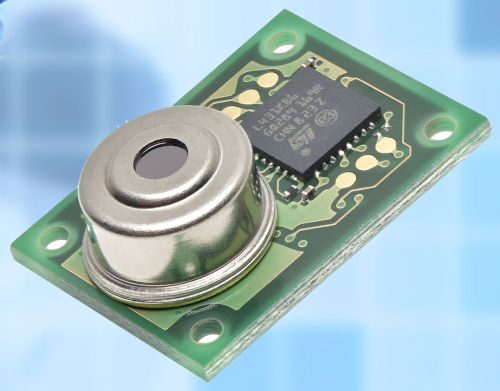
Para ayudar a los fabricantes de equipos de laboratorio a superar estos retos, Melexis ha desarrollado sensores de infrarrojo lejano como el MLX90614 de agujero pasante y el MLX90632 de montaje en superficie. Los sensores se calibran en fábrica y están diseñados para mantener una alta precisión en entornos ruidosos y térmicamente dinámicos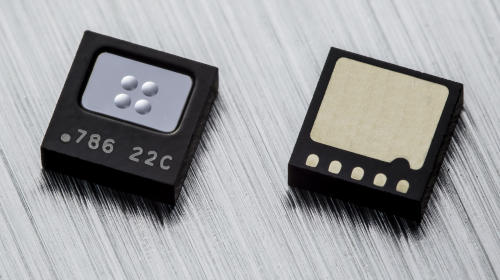
Control de la temperatura en el análisis PCR
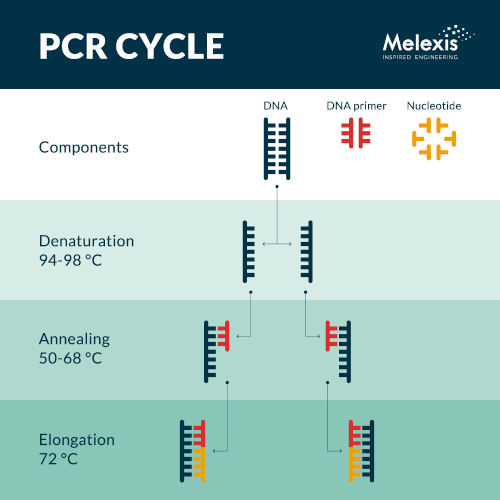
El análisis de la PCR comprende tres procesos, empezando por un paso de alta temperatura llamado desnaturalización. Este paso se realiza entre 94-98°C para cortar la estructura de doble hélice del ADN en dos moléculas de plantilla de ADN de una sola hebra. En el siguiente paso, el recocido, se obliga a las moléculas de cebadores de ADN a unirse selectivamente a las dos plantillas de ADN. La temperatura debe controlarse con precisión para garantizar que los cebadores se adhieran correctamente. La etapa final se denomina elongación y suele realizarse a 72°C. Aquí, los nucleótidos (los componentes básicos del ADN/ARN) en solución reaccionan con la plantilla y el cebador para crear moléculas de doble cadena.
En conjunto, estos tres pasos convierten una molécula de ADN en dos moléculas de doble cadena (figura 1). La repetición del ciclo, duplicando el número de moléculas cada vez, crea rápidamente una gran cantidad de moléculas (después de, digamos, 40 ciclos habrá 2^40 = 1.099.511.627.776 moléculas) facilitando así la detección posterior por otros medios.
Detección de la temperatura sin contacto
Los termocicladores son un componente clave de los aparatos utilizados para facilitar las reacciones bioquímicas sensibles a la temperatura. Cada termociclador contiene uno o varios bloques térmicos con orificios en los que se pueden introducir los tubos que contienen los reactivos. El termociclador expone los tubos a un programa de temperatura predeterminado y está diseñado para permitir barridos de temperatura rápidos y precisos. Algunos modelos permiten un gradiente de temperatura controlado sobre el bloque térmico, exponiendo diferentes muestras a diferentes temperaturas. Esta característica se utiliza sobre todo en la fase de investigación para optimizar ciertos pasos críticos del ciclo de temperatura.
Los lazos de control estrechos dependen de la precisión de las entradas de los sensores. Cuando las muestras se sustituyen con frecuencia, puede ser muy difícil para los fabricantes medir de forma fiable los tubos mediante un método de contacto directo. En este caso, los sensores de infrarrojos ofrecen una ventaja significativa al permitir la medición de la temperatura sin contacto. Además, el riesgo de contaminación cruzada entre las muestras se reduce considerablemente al evitar el contacto directo.
 Los sensores calibrados en fábrica, como el MLX90614, permiten una fácil implementación en el termociclador. El sensor ofrece una comodidad plug-and-play que permite al usuario empezar a trabajar inmediatamente sin pasar por un proceso de calibración. El MLX90614 se ofrece con varias opciones de campo de visión (FoV), incluyendo 90°, 35°, 12°, 10° y 5°. El estrechamiento del FoV permite una mayor distancia máxima entre el sensor y la muestra.
Con la tendencia a hacer que los equipos sean más portátiles y fáciles de usar en diversos escenarios, el MLX90632 de montaje en superficie ofrece la ventaja de un factor de forma muy reducido que permite ahorrar tamaño y peso. Encapsulado como un dispositivo QFN de 3 mm x 3 mm x 1 mm, el sensor responde a los cambios de temperatura conservando la precisión y la estabilidad. La miniaturización de estos sensores también facilita la integración en una matriz de detección que permite el control de la temperatura en varios puntos.
Al mejorar la velocidad y la precisión de los termocicladores, los sensores infrarrojos como el MLX90632 y el MLX90614 desempeñan un papel fundamental en la mejora de la precisión y la productividad de las pruebas de PCR en numerosos ámbitos de la medicina, además de la lucha contra el COVID-19. El pequeño tamaño del MLX90632 aumenta las perspectivas de un análisis PCR asequible y portátil cerca del punto de atención.
Cabe destacar que existen versiones de grado médico de ambos sensores que muestran una mayor precisión, dentro de ± 0,2°C, en el rango de temperatura del cuerpo humano de 35-42°C. Estos sensores son adecuados para su uso en sistemas de cribado masivo, en los que un campo de visión estrecho permite una mayor distancia de detección, y en monitores de temperatura personales, como dispositivos y parches portátiles, que requieren que los sensores sean altamente miniaturizados y sensibles, pero estables y reproducibles.
Conclusión
Los últimos acontecimientos han puesto de manifiesto la necesidad de realizar diagnósticos precisos y rápidos. Los pequeños sensores infrarrojos desempeñan un papel crucial para que los equipos de laboratorio puedan satisfacer la necesidad de un análisis rápido de las muestras biológicas.
Los últimos sensores infrarrojos de temperatura combinan un tamaño reducido y la inmunidad a las interferencias térmicas para superar los principales retos técnicos de la detección sin contacto. Estos avances ofrecen multitud de ventajas, como una mayor precisión, una mayor facilidad de uso y un control estricto de la temperatura para procesos bioquímicos como el análisis PCR, que ofrece capacidades de diagnóstico rápidas y fiables.