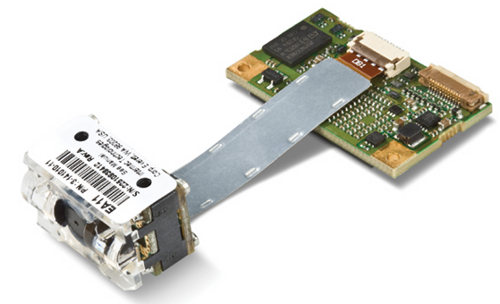
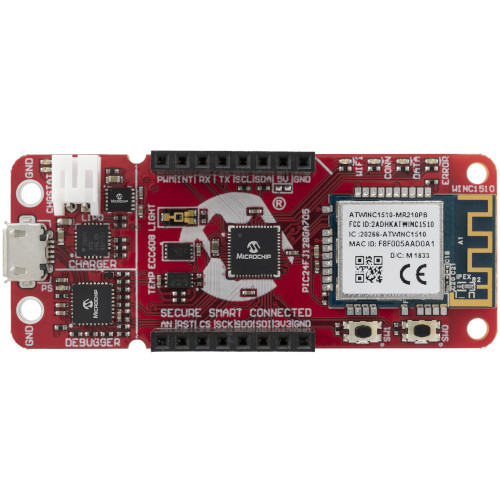
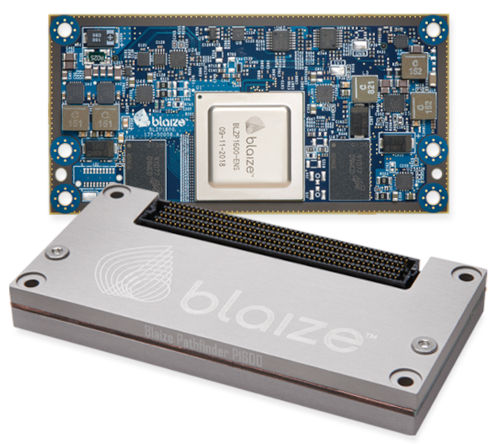
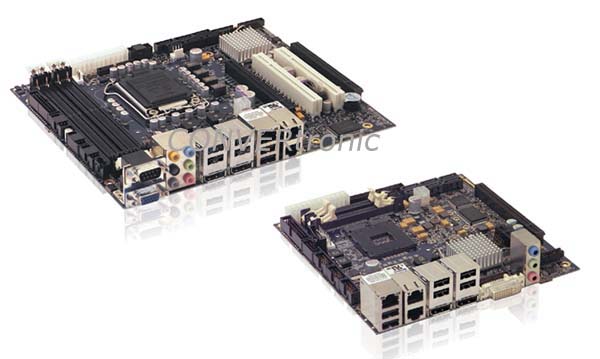
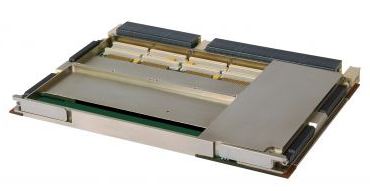
nSHIELD will establish a reference architecture that enables the dynamic and intelligent composition of heterogeneous devices and services for security applications. Furthermore, it will facilitate the emergence of a new generation of embedded systems, enriched with innovative security features. It will also provide a semantic framework for automatically adapting reliability and security capabilities across different domains.
The purpose of nSHIELD is to create a standard application platform for embedded systems that ensures the security and reliability of communications and transmissions while respecting user privacy. Embedded systems are computer applications, commonly used in everyday life, designed to meet specific user needs and integrated into other general control systems. Examples of such applications include GPS navigation systems in vehicles, information systems in trains or airplanes, taximeters, access control systems, the electronics that control vending machines, and systems that manage the operation of industrial processes.
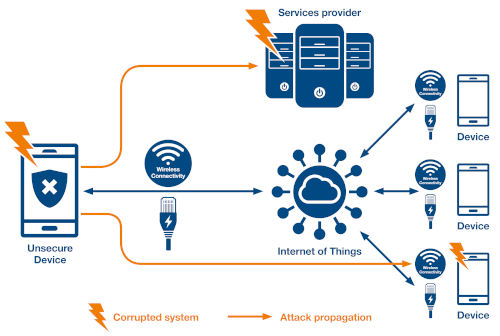
The nSHIELD project will reduce the security challenges associated with using these systems, especially in complex products and critical infrastructure. nSHIELD will provide a secure framework for the information contained in embedded applications and the information they transmit over private networks and the internet.
To achieve this, the proposal includes the development of new SPD (Security, Privacy & Dependability) technologies that will advance the development and reuse of existing embedded systems, improving their capabilities and enhancing their integration with other systems. Furthermore, this feature will minimize costs and reduce the design time for embedded applications.
The resulting platform can be used in multiple everyday scenarios, although it will initially be tested in the rail and aviation sectors, in social situations related to mobility and networks, and in technologies based on facial and voice recognition. On an airplane or train, for example, the solution will equip the entire security system with unique features, preventing failures and providing protection against potential attacks by malicious actors. The solution will create a secure communication framework between sensors and control units, preventing any possible manipulation by hackers. Through a comprehensive and integrated application, nSHIELD establishes a secure environment that guarantees confidentiality and privacy throughout the system.
Secure communications
Indra will be responsible for ensuring reliable connectivity and the security of wireless network communication systems. Among other capabilities, thanks to the company's technology, embedded applications will be able to detect malicious users or intruders on the system, find secure communication paths between routers, and authenticate network resources without relying solely on individual certifications and a central certification authority. The multinational technology company will also be responsible for deploying the product in the selected validation scenarios.
Indra has extensive experience in the design and implementation of security solutions and collaborates on other community R&D initiatives within the 7th Framework Programme, such as the CRISYS project, which aims to define a Strategic Plan to improve emergency coordination in the European Union.
Recently, nSHIELD reached the second milestone of the project, after making public the reference architecture and the necessary requirements during the annual review held in Rome last October.
The project is part of the European technology platform ARTEMIS, which aims to bring together key players in the field of embedded systems, encompassing various industrial sectors through the 17 companies that comprise this initiative. One of its main tasks has been to define a common Strategic Research Agenda, serving as a benchmark within the embedded systems domain, to encourage investment from stakeholders in this field
Project Partners
The nSHIELD consortium includes seven European Union countries (Italy, Spain, Greece, Hungary, Slovenia, Norway, and Sweden) and comprises companies, universities, and research centers. The partners are: Selex Galileo, Ansaldo STS, Acorde Technologies, ISI/ATHENA, Selex Elsag, Fundación Tecnalia Research & Innovation, IPS Sistemi Programmabili – Eurotech Security, Hellenic Aerospace Industry, Indra Software Labs, Integrated Systems Development, Movation AS, Universidad de Mondragó, Alfatroll, SEARCH-LAB, SESM scarl, Swedish Institute of Computer Science, T2 Data AB, Telcred, THYIA, Technical University of Crete, and the universities of Genoa, Udina, and Rome (La Sapienza).
Leadership in security
In the area of infrastructure protection, Indra has international references in airports, ports, railways, energy and telecommunications companies, financial entities, buildings and corporate headquarters, security forces and agencies or large industrial facilities.
The company is collaborating with the CNPIC, an agency attached to the Spanish Ministry of the Interior's State Secretariat for Security, on several initiatives to effectively support the security of Spain's critical infrastructure, which provides essential services to society. For example, it actively participates in the Informal Group for the Protection of Critical Infrastructure (GIPIC), led by the CNPIC, whose objective is to develop guidelines to support operators of these infrastructures in creating their security and specific protection plans.
Indra is also a leader in the implementation of security and emergency centers in Spain, with projects such as the SIMGE for the Military Emergency Unit, the CISEM for the Madrid City Council, and the SIGE for Civil Protection, among others. It has also implemented control centers and security systems for major events, such as the Zaragoza Expo, the Barcelona Forum of Cultures, the America's Cup in Valencia, the Seville Expo, and the Barcelona Olympic Games.
The company also has significant experience in the development and implementation of identification solutions, such as the Spanish electronic ID card or the Portuguese passport, and is a leader in the development and implementation of coastal surveillance systems in Europe, with projects in Spain, Portugal, Latvia and Romania, and outside of Europe in Hong Kong.
Indra is the leading multinational technology company in Spain and one of the main players in Europe and Latin America. It is the second largest European company in its sector in terms of R&D investment, with €550 million invested in the last three years. Sales in 2011 reached €2.688 billion, and currently 55% of revenue comes from international markets. It employs 42,000 professionals and has clients in 118 countries.