What is an Embedded System?
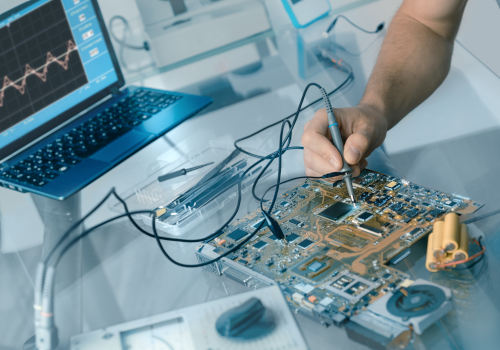
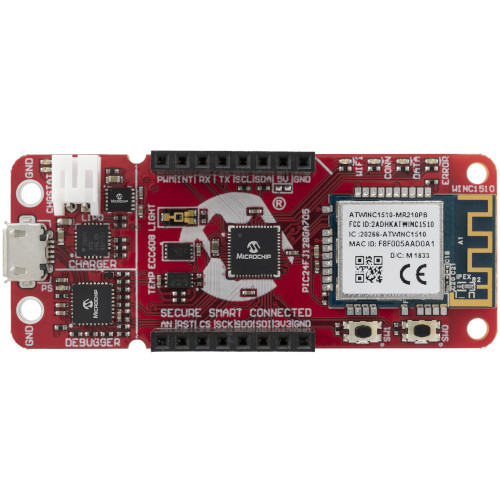
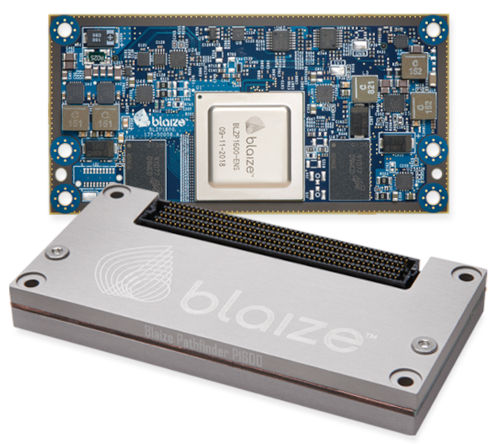
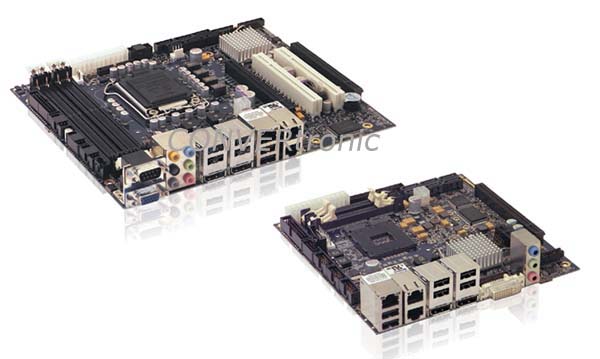
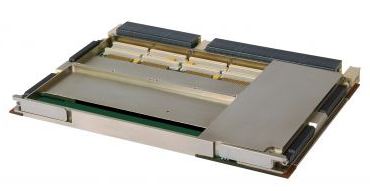
An embedded system is a computer system designed to perform one or more specific functions within a larger system. Unlike a general-purpose computer, an embedded system is optimized for specific tasks, with constraints of size, power, and cost.
Formal definition:
An embedded system is an integrated electronic and computational system that combines hardware and software with the objective of performing a specific function autonomously or semi-autonomously.
Characteristics of Embedded Systems
Specialization: Designed for specific tasks.
Real-time: Many operate in real-time systems with strict timing requirements.
Reliability: Highly reliable and fault-tolerant.
Optimized energy consumption: Focused on low power consumption.
Limited interface: Minimal user interaction, often through sensors or simple buttons.
Reduced cost and size: Designed to be compact and cost-effective.
Classification of Embedded Systems
Based on system performance:
Type Description
Small scale Use 8 or 16-bit microcontrollers, low cost, used in simple applications such as toys or basic controllers.
Medium scale Greater processing capacity (16/32 bits), more complexity, can run RTOS, used in household appliances and automotive systems.
Large scale Include advanced embedded processors, SoCs (System-on-Chip), FPGAs, used in multimedia, aerospace, or medical systems.
According to response time
: Type Description
Hard real-time Timing errors are unacceptable. E.g., pacemakers, industrial control systems.
Soft real-time Tolerates small delays. E.g., multimedia streaming.
Non-real-time Does not require critical timing constraints. E.g., intelligent lighting systems.
According to functionality
Type Description
Standalone They operate independently of other systems. E.g., smart thermostats.
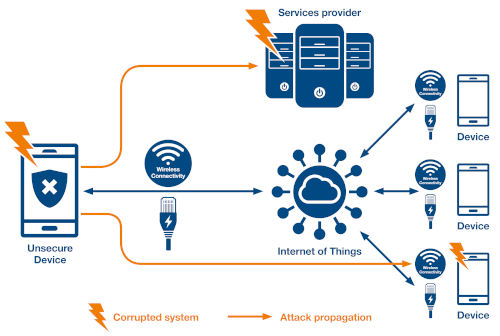
Network-based They communicate with other devices via networks (Ethernet, Wi-Fi, Zigbee). E.g., home automation systems.
Mobile Embedded in portable devices. E.g., smartphones, wearables.
According to hardware architecture
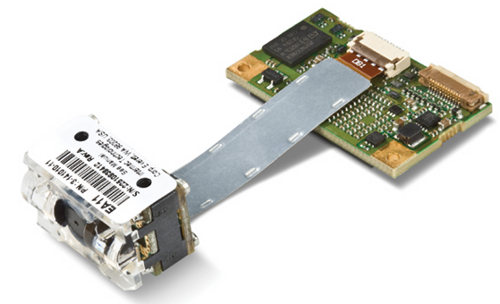
: Microcontrollers (MCUs): CPUs with integrated memory and peripherals.
Microprocessors (MPUs): Require external components (RAM, I/O).
DSPs (Digital Signal Processors): For digital signal processing.
FPGAs (Field Programmable Gate Arrays): Programmable logic, high flexibility.
Application Examples
Automotive: ABS braking systems, engine control, infotainment.
Healthcare: Heart monitors, insulin pumps.
Industry: PLCs, industrial robots, IoT sensors.
Consumer: Smart TVs, voice assistants, home appliances.
Aerospace: Navigation control, systems monitoring.
Conclusion
Embedded systems are essential in the development of intelligent and automated devices. Their classification based on functionality, response time, architecture, and scale allows for the design of optimized solutions for each specific application. As technology advances, embedded systems continue to evolve into more powerful, efficient, and connected solutions.