

The circadian rhythm is the biological clock that regulates our sleep-wake cycle. The lack of light stimulates the production of melatonin in our bodies, which resets the clock every 24 hours and protects us from inflammatory diseases and aging.
It has been shown that artificial indoor lighting affects melatonin production in the general population and alters sleep patterns in people who live in enclosed environments without access to sunlight. This is especially relevant for long-term hospital patients who may experience disorientation or delirium.
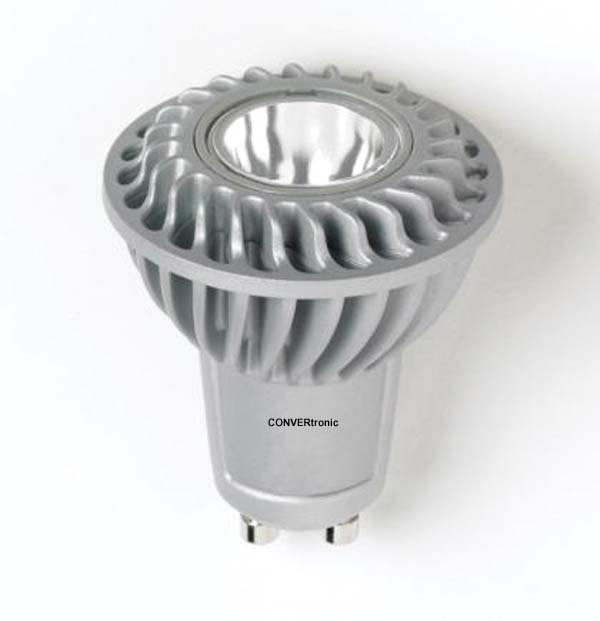
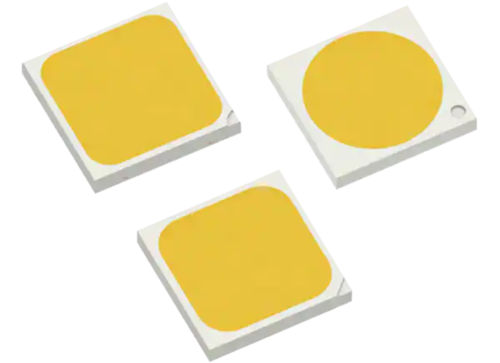
LEDMOTIVE technology allows for the reproduction of natural light, including its changes throughout the day, with maximum visual quality and without resorting to high light intensities,  guaranteeing a high degree of comfort. All the properties of light are found within the spectrum: this technology combines light from seven distinct color channels to produce any light spectrum in the visible range, eliminating or modifying those that produce the most harmful effects, such as blue-violet light.
A lighting sequence can be programmed for circadian rhythms, oscillating from sunrise to sunset, thus reproducing the hourly variations of sunlight and synchronizing our biological clock through artificial lighting when there are reasons that prevent access to natural light.
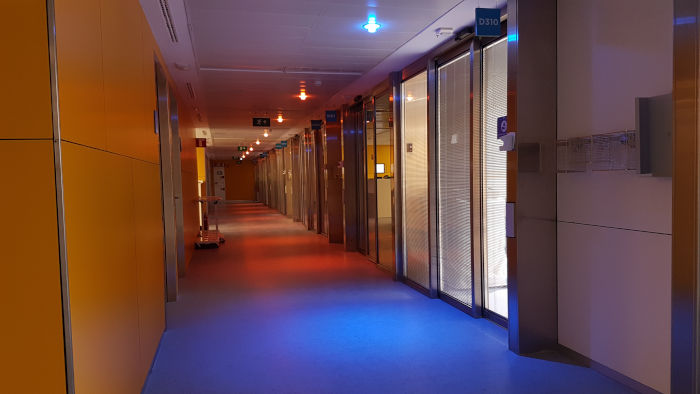
In a hospital setting, this facilitates the application of natural light benefits to the recovery of critically ill patients, as well as improving orientation and reducing delirium in patients with long-term hospital stays. The system also allows for the complete elimination of blue light when required to promote melatonin production.
For example, in the ICU of Barcelona's Vall d'Hebron Hospital, the lighting standard has been set to that of March 21st. Thanks to LEDMOTIVE lighting, it's always spring in the ICU. This not only helps patients, but healthcare staff working constant shifts also benefit from this new technology.
The applications are countless. Consider, for instance, schools, to improve student performance, and offices, to enhance employee well-being and productivity; or Nordic countries, to reduce depression caused by lack of sunlight; or 24-hour control rooms, where insufficient sunlight leads to health problems, among other uses.
*https://pure.tue.nl/ws/portalfiles/portal/98404377/5_14.pdf https://www.sciencedirect.com/science/article/pii/S0024320517300450