
It's important to note that, currently, less than 2% of global hydrogen production comes from electrolyzers, and a small portion from energy recycling. At a time when a range of new applications—beyond industry and chemistry—are expected to use hydrogen as a propellant or alternative energy storage solution, it might be worthwhile to review the current situation and what to expect in the coming years.
Can we achieve 100% green hydrogen today?
Global hydrogen production is estimated at around 70 million tons (Mt), primarily from natural gas (75%) and coal (23%). Producing this amount of hydrogen requires consumption levels of 205 billion cubic meters of natural gas (6% of global use) and 107 Mt of coal (2% of global use). Based on existing production methods, global hydrogen production is responsible for 830 Mt of CO2 emissions annually. Producing hydrogen from fossil fuels without capturing the CO2 emitted during production is the cheapest method ($1/kgH2).
Thus, in light of the latest report from the Intergovernmental Panel on Climate Change (IPCC), which shows that greenhouse gas emissions from human activities are responsible for approximately 1.1°C of warming since 1850-1900, and using averaged estimates for the next 20 years, the global temperature is expected to reach or exceed 1.5°C of warming, with a dramatic impact on climate and society. It is clear that accelerating the transition to "clean hydrogen" is crucial.
If all current hydrogen production (70 million tons) came from water electrolysis (which uses water and electricity to create hydrogen), it would generate an annual electricity demand of 3,600 terawatt-hours (TWh), more than the electricity produced by the European Union in a year. The amount of water needed to produce H2 from electrolysis would be 617 million cubic meters, roughly double the current water consumption for hydrogen produced from natural gas. Furthermore, the amount of renewable energy available for hydrogen production remains marginal and limited to small-scale applications. The challenge is enormous, and that's what engineers love.
How can we obtain clean hydrogen in large volumes?
With the deployment of hydrogen as an alternative energy source, and the strong demand to reduce the global carbon footprint during the conversion process, hydrogen production must be located, stored, and distributed more efficiently.
A September 2020 Goldman Sachs report on green hydrogen estimated that by 2050, Europe will need to increase its electrolyzer capacity 8,000-fold compared to current levels. At the same time, engineers will need to intensify research to make electrolyzers highly efficient, with technologies such as high-temperature solid oxide electrolyzers (SOEs) showing great promise.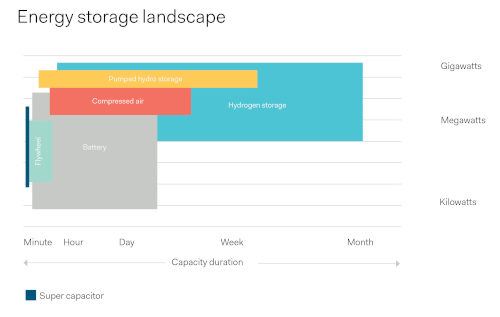 Figure 01: Global map of hydrogen valleys as of May 2021 - Source PRBX/FCH
To meet the 2050 target and the necessary volume of green hydrogen, several regional initiatives have been undertaken worldwide. Launched over 10 years ago, Europe is well ahead, and in January 2021, the "Hydrogen Valley Platform" was launched to interconnect regional projects and share best practices. Originally commissioned by the European Union and developed by the Fuel Cells and Hydrogen Joint Undertaking, the "Mission Innovation Hydrogen Valley" platform garnered significant interest from the global community and now encompasses projects worldwide (Figure 01).
When the Hydrogen Valley Becomes a Reality:
In Europe, the northern Netherlands has become the first region to receive a grant for its Hydrogen Valley. The grant application from the northern Netherlands was approved by the European Commission's Fuel Cells and Hydrogen Joint Undertaking (FCH JU), and in January 2020, the six-year project "Applications of H2 energy (in) valley environments (for) the northern Netherlands," known as HEAVENN, was launched.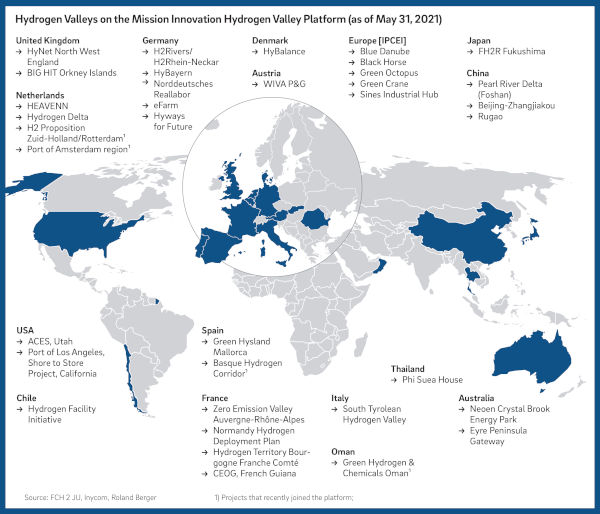 Figure 02: NortH2 Project and Milestones Towards 2050 - Source: PRBX/GASUNIE
The HEAVENN project is unique because it encompasses and connects the entire hydrogen value chain within a single geographic region. It comprises 31 public and private stakeholders from six European countries. The projects include the large-scale production of green hydrogen as a feedstock for industry, hydrogen storage, transport and distribution, and its application for energy supply in industry, the built environment, and transportation.
Given the number of projects developing Hydrogen Valleys worldwide, there is no doubt that the volume of green hydrogen will increase rapidly, but its price will also decrease to below 1.5 EU/kg.
The NortH2 project is a good example of a Hydrogen Valley and its ecosystem. Located in Eemshaven, in the north of the Netherlands, the project aims to produce one million tons of hydrogen per year from an offshore wind farm. As shown in Figure 2, NortH2 includes hydrogen production, storage, pipeline transport, and distribution.
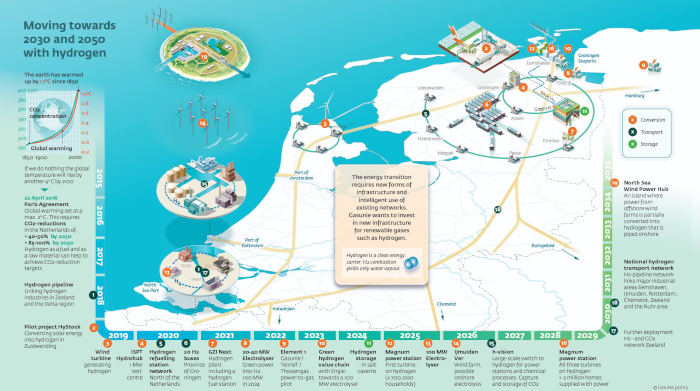 Figure 03: Simplified overview of energy storage - Source PRBX/IEA
Hydrogen could provide solutions for long-term energy storage.
The NortH2 experiment is also an excellent business case for evaluating the potential of using hydrogen for energy storage, addressing a problem faced by many renewable energy operations when they have excess electricity that they cannot supply to the grid, as has occurred in Australia and with large-scale wind farms.
Although the conversion of renewable energy to hydrogen using electrolyzers, and of hydrogen to electricity using fuel cells, is not very efficient today, progress has been made and research is advancing rapidly. As shown in Figure 3, when stored, hydrogen remains available for a much longer period compared to other methods, and in very large volumes. Fuel cells can be switched on on demand to supply the grid during peak consumption periods.
The NortH2 experiment is just one example of the many that demonstrate how hydrogen will contribute to producing carbon-free energy and providing high-capacity energy storage.
References:
Powerbox (PRBX)
Fuel Cells and Hydrogen Joint Undertaking
Applications of hydrogen energy in the valley environments of the northern Netherlands
About Powerbox
Founded in 1974, headquartered in Sweden, and operating in 15 countries across four continents, Powerbox serves customers worldwide. The company focuses on four major markets—industrial, medical, transportation/rail, and defense—for which it designs and markets premium power conversion systems for demanding applications. Powerbox's mission is to leverage its expertise to enhance customers' competitiveness by meeting all their power requirements. Every aspect of the company's business is driven by this objective, from the design of advanced components to the provision of high levels of customer service. Powerbox is recognized for its technical innovations that reduce energy consumption and its ability to manage the entire product lifecycle while minimizing environmental impact. Powerbox is a Cosel Group company.
 About the author:
Patrick Le Fèvre, Marketing and Communications Director at Powerbox, is a highly experienced marketer and certified engineer with a 35-year track record of success in power electronics. He has been a pioneer in the commercialization of new technologies, such as digital energy, and in technical initiatives to reduce energy consumption. Le Fèvre has authored and presented numerous white papers and articles at leading international power electronics conferences. These have been published over 350 times in media outlets worldwide. He also participates in various environmental forums, sharing his expertise and knowledge on clean energy.
Patrick Le Fèvre
Director of Marketing and Communication at Powerbox