
Common methods for capacitive touch detection include RC oscillation, charge conversion, partial voltage comparison of series capacitance, shunting, and others. Holtek MCUs utilize the RC oscillation method, where a finger touch causes a change in capacitance, altering the oscillation frequency of the RC oscillator. This change is detected by the internal hardware, and together with an algorithm, allows the touch to be determined. Figure 1 shows a block diagram of an electronic scale design, a typical application of MCUs with touch capabilities.
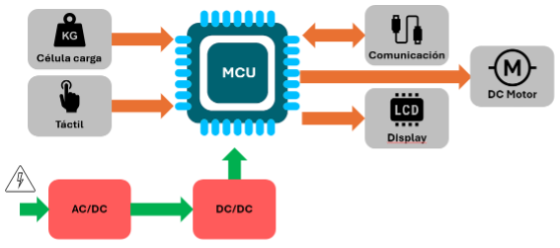
Figure 1. Block diagram of a typical application: digital scale.
The HT32 M0+ MCUs feature an excellent, energy-efficient Arm® Cortex®-M0+ processor core, offering an optimal balance of price, power, and performance. These MCUs are not only the first choice for new product design and development, but also the best choice for upgrading traditional products using an 8-bit MCU to 32-bit MCU-based products with superior performance. This HT32 series includes models to manage 24 or 28 touch keys. Figure 2 shows the naming convention for the series.
The HT8 (8-bit) MCUs have greater resistance to power noise interference, higher touch key response sensitivity, improved power-saving logic characteristics, and greater ease of development. These combined features make the devices suitable for various AC-powered or battery-powered touch key product applications. Figure 3 shows the naming rules for the HT8 series, which includes models with controllers capable of managing from 1 to 24 touch keys.
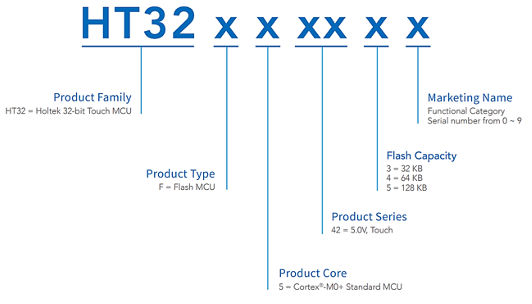
Figure 2. HT32 series nomenclature rules.
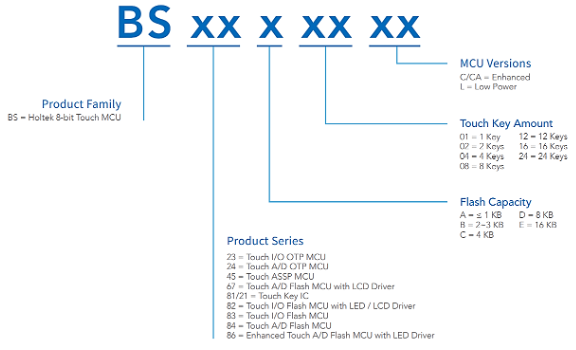
Figure 3. BS series naming rules (8 bits).
To support the Touch MCU series, Holtek and third-party vendors offer a comprehensive suite of software and hardware tools. Full support is available from professional Integrated Development Environment (IDE) providers such as IAR and Keil. In addition, Holtek offers starter kits, an e-Link32 Pro ICE, IDEs and tools such as HT8 CodeConfig, HT-IDE3000, and HT32 CodeConfig, peripheral driver libraries, a touch key library, sample application source code, and more. Holtek's ISP (In-System Programming) and IAP (In-Application Programming) technologies provide a complete set of tools for rapid software updates, enabling customers to significantly reduce development time.