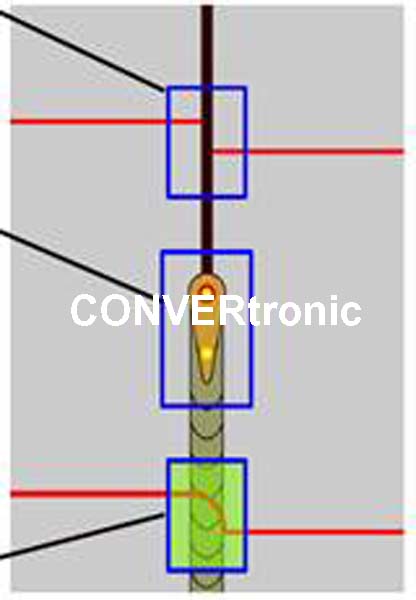
 Pre-Process:
- Joint/Gap Position
- TCP/Beam Position
In-Process:
- Weld/Fusion Depth
- Joint Width
- Holes
- Material Loss
- Beam Position
- Porosity
- Projections
Post-Process:
- Holes/Craters (Pores)
- Cracks
- Insufficient Fill
- Notches
The aim of this article is to explain and illustrate the real-time monitoring methods available for laser welding control.
Weld inspection and monitoring are fundamental at every stage of manufacturing, as they provide real-time, single-pass control over aspects such as:


- Compensate for existing tolerances in all processes (machining, material, tooling, machine tolerances, etc.),
- Avoid generating non-conforming welds (rejects),
- Optimize production and guarantee quality,
- Document and store data in a database for 100% of the process.


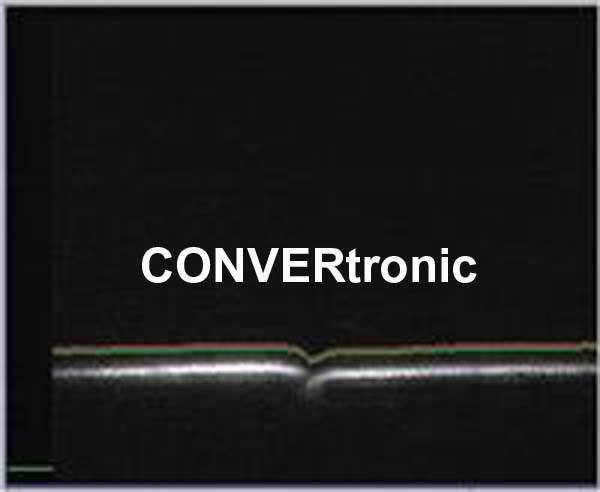
Monitoring a laser welding process
By controlling the process online, control is available before, during and after the process.
Pre-Process Monitoring (PRECITEC Laser Path Finder)
Pre-process monitoring systems ensure accurate laser positioning, compensating for dimensional tolerances in both the positioning and the workpieces. This is achieved by not only determining the joint position but also, in conjunction with an integrated motor, repositioning the welding head. This entire process is performed continuously during welding at speeds exceeding 8 m/min.
This is done by projecting a beam onto the surface to be processed, so that a camera analyzes the reflection of this beam and transmits the image to a processor, obtaining a 3D image.
The sensor calculates the necessary position, as well as the movement of the welding head and the parameters required to proceed with the adjustments in the movement system.
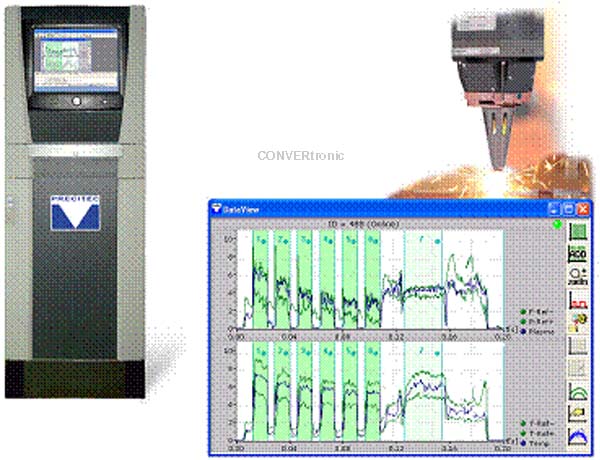
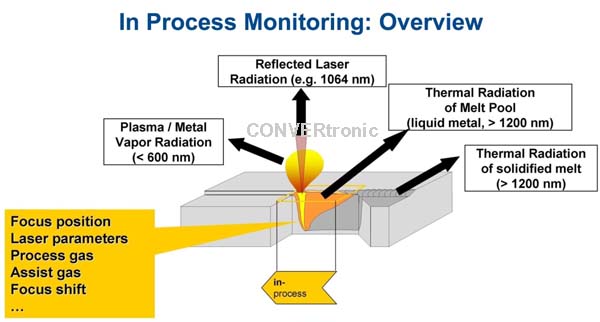 In-Process Monitoring (PRECITEC Laser Welding Monitor)
For monitoring laser welding during the process, equipment is used that allows real-time analysis of the radiation generated by the interaction between the laser beam and the workpiece. By analyzing specific process parameters (temperature, plasma, reflections), defects such as porosity, insufficient material, power loss, focus misalignment, etc., can be detected.
The Laser Welding Monitor is a complete monitoring system that processes signals obtained through photodiodes and camera-based detectors.
The parameters obtained are recorded on the computer and compared with reference data to establish whether they are within the limits defined as correct, documenting in real time.
 Post-Process Monitoring (PRECITEC Seam Geometry Monitor):
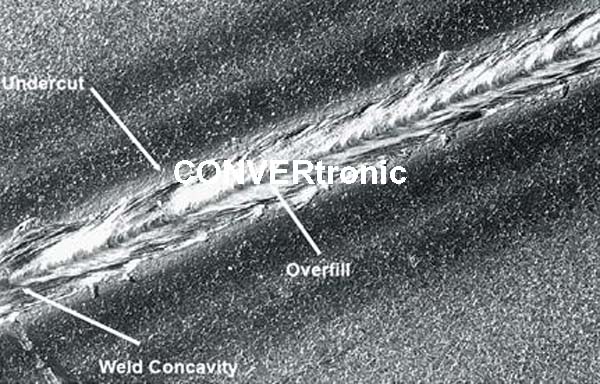
Integrated within the welding process, it is possible to measure and analyze the geometry of the outer surface of the weld bead in real time, as well as irregularities such as porosity and other defects. This process involves emitting a line of light and analyzing the reflection returned after striking the workpiece. The accuracy of the process will depend primarily on the camera resolution, the area to be analyzed, and the required speed.
 This real-time welding inspection is applicable not only to laser welding but also to MIG/MAG welding, TIG welding, brazing, or adhesive application.
ROFIN is a global leader in the design, manufacture, and sale of industrial lasers and laser-based products for materials processing applications.
PRECITEC is a leader in the development and manufacture of laser process heads, as well as process monitoring.
Author:
Article provided by Rofin-Bassel Espala, SL.