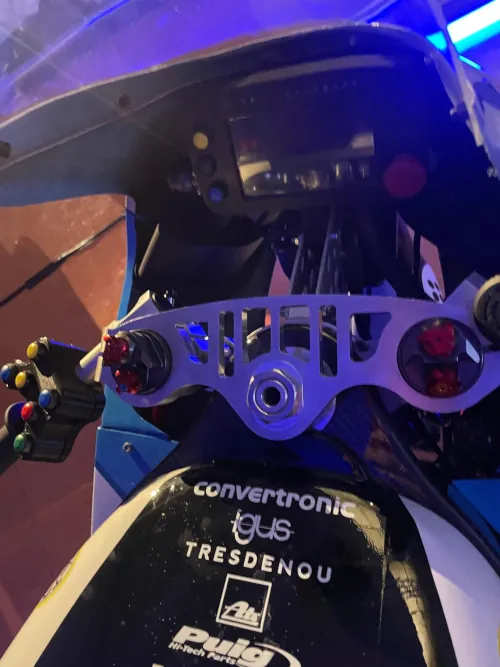
This initiative represents a significant step in the training of engineers and in innovation applied to the transport sector and university competition.
The ePR04 project has been designed to excel both technically and educationally. Some of its key features include:
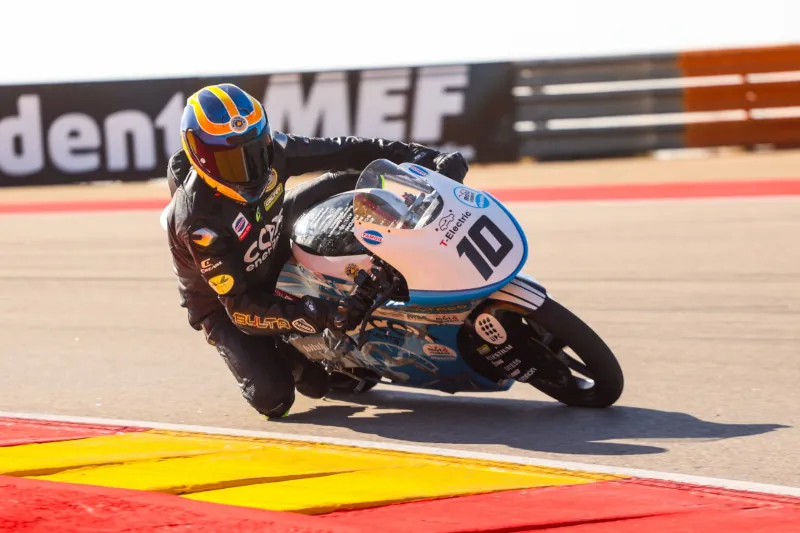
- A very lightweight design thanks to a carbon fiber chassis, achieving a weight reduction of approximately 15% compared to previous generations.
- An electric propulsion system adapted for university competitions, with a focus on performance, efficiency, and reliability.
- Integration of advanced technology for battery management, power electronics, and telemetry, aimed at preparing students for real-world challenges in the field of electric mobility.
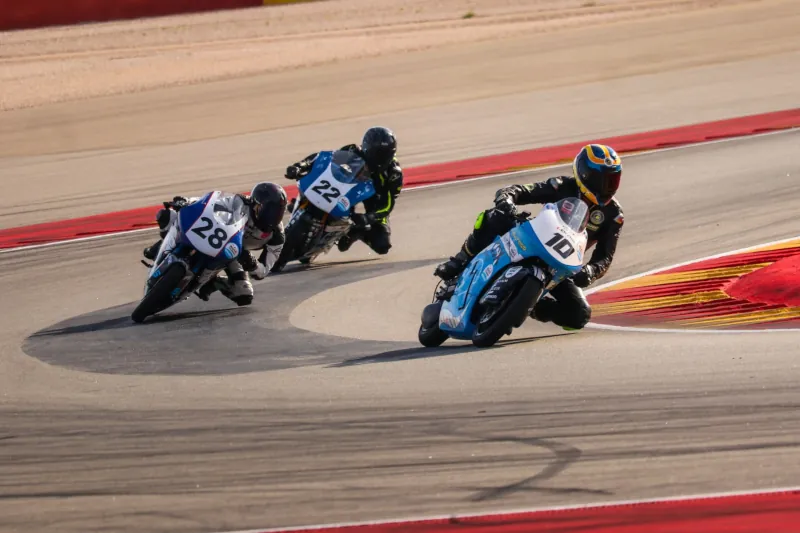
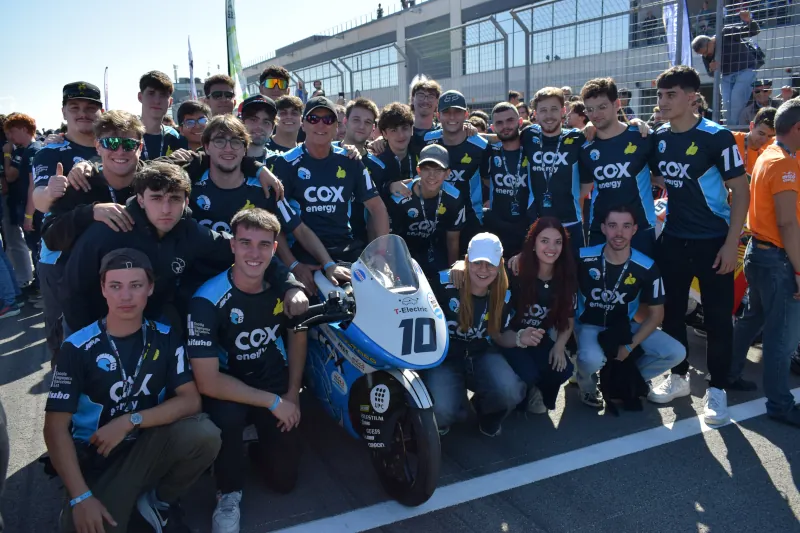
The project participated in the MotoStudent 2025 international competition race, held at the MotorLand Aragón circuit, where UPC is one of the universities with the largest representation.
The ePR04 project is a training space where engineering students work on the design, manufacturing, and fine-tuning of motorcycles, allowing them to apply theoretical knowledge in a real and demanding environment. In addition to the collaboration with Convertronic magazine, they also have the support of sponsors, suppliers, and partners from the national and international electronics industry, facilitating knowledge transfer and strengthening the university-industry link.
After two years of work, the electric motorcycle prototype achieved the following results.
Despite some problems on the track, we have achieved excellent results:
- 2nd in the world for Best Industrial Project
- 2nd in the world for Innovation
- 1st in the world for CAD
- 2nd in the world for Pitch Presentation
- 7th in the world in the global ranking
- 3rd at the national level in the global ranking
- 1st in Catalonia in the global ranking
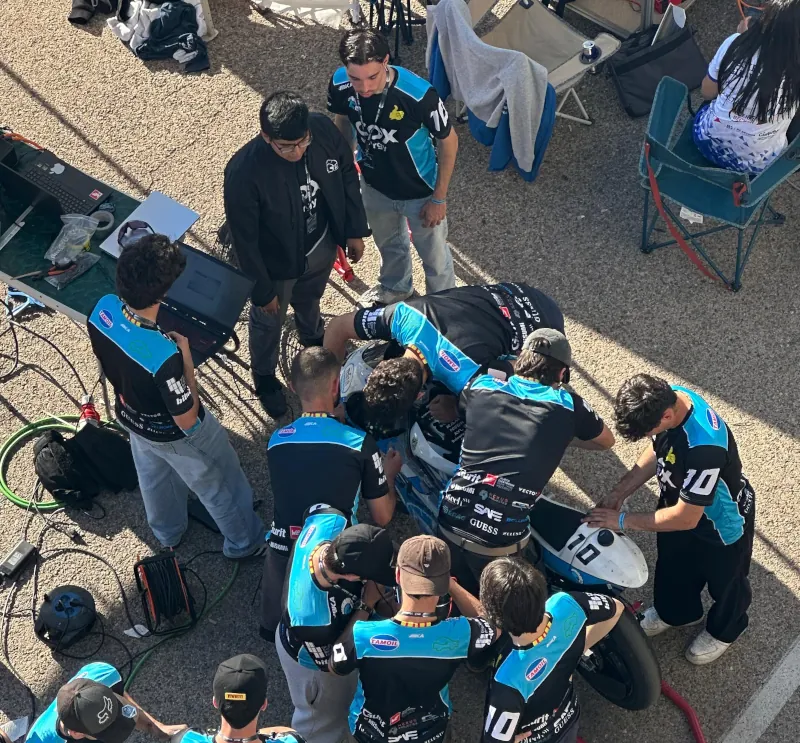
MotoStudent has established itself as one of the world's most prestigious university engineering competitions, bringing together students from international universities to design, build, and race a fully functional motorcycle. The competition, which combines sport, technology, and innovation, is held every two years and presents a real challenge where future engineers apply their knowledge in a highly demanding and competitive environment.
An international training challenge.
The main objective of MotoStudent is for participants to experience what it's like to become professional engineers, tackling the complete vehicle development cycle. Teams must create a motorcycle from scratch, performing tasks that include:
- Conceptual and structural design
- Calculation and simulation
- Component manufacturing
- Electronic integration
- Project management and sponsorship acquisition
- Dynamic testing and track validation
This combination of technical and management aspects provides comprehensive learning and a realistic view of the automotive and advanced mobility sector.
Two categories: Petrol and Electric.
MotoStudent is divided into two categories:
MotoStudent Petrol (gasoline): focused on the development of combustion engine motorcycles.
MotoStudent Electric: focused on 100% electric designs, promoting energy efficiency and research in batteries, power electronics, and sustainable propulsion systems.
Both categories encourage technological innovation and allow students to experiment with advanced solutions and cutting-edge materials.
Technical Evaluation and Circuit Testing:
The competition is divided into two phases:
MS1 – Industrial Phase, where teams present their projects as if they were real suppliers, with evaluations of design quality, technical feasibility, innovation, and the industrial plan.
MS2 – Dynamic Phase, where the motorcycles compete in various tests at the MotorLand Aragón circuit, including braking, acceleration, gymkhana, efficiency tests, and the highly anticipated Final Race.
Educational Impact and Career Prospects:
Each year, MotoStudent welcomes hundreds of students from universities across Europe, America, and Asia. The competition serves as a growth platform for young engineers seeking to enter sectors such as automotive, electric mobility, motorcycling, and the technology industry.
Many teams are supported by leading companies in the sector, which strengthens knowledge transfer and enhances the employability of the participants.
A commitment to the future of engineering
, MotoStudent continues to expand its international impact, fostering emerging talent and promoting the development of new technologies applied to mobility. Its combination of research, competition, and training makes this event a key benchmark for universities and the automotive industry.