

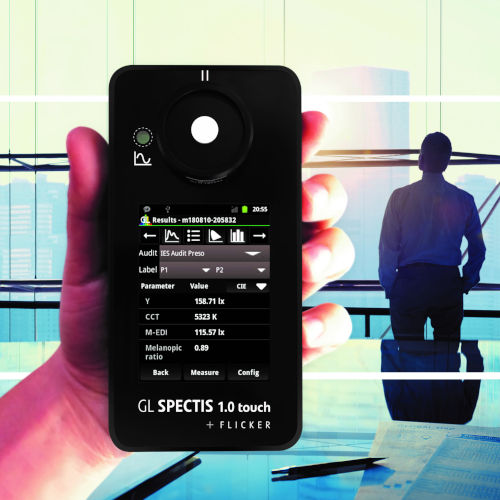
The document describes an indicator called M-EDI (Melanopic Equivalent Daylight Illuminance). Based on this value, it is possible to determine the extent to which a given spectral light distribution can effectively inhibit melatonin secretion during the day and, therefore, influence our work-rest rhythms. This is the first international document to establish a human-centered method for calculating lighting.
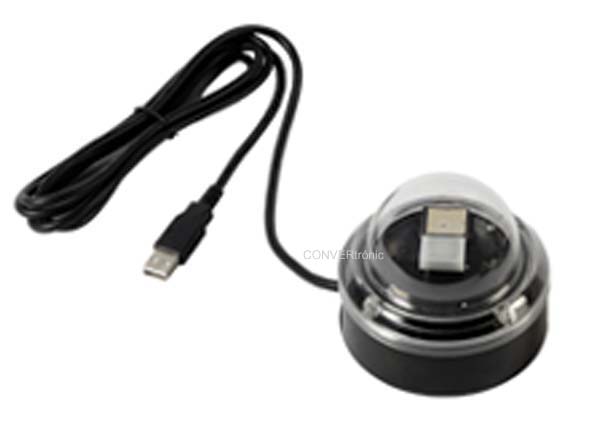
GL Optic was the first company in the world to launch a product that allowed for HCL calculation in a new dimension. The GL Spectis 1.0 Touch + Flicker, equipped with specialized software, enables the calculation of radiometric and photometric values such as Esc, Emc, Erh, Eml, Melanopic Ratio, M-EDI, and others, reflecting the effectiveness of lighting on humans.
With GL Spectis 1.0 Touch + Flicker it is possible not only to examine lighting conditions in terms of visibility (light intensity, color temperature and light ripple), but also to examine parameters associated with non-visual impact: the impact on the human circadian rhythm.
GL Optic manufactures, distributes, and services professional light measurement systems, ranging from individual LED measurements to comprehensive luminaire evaluation devices. GL Optic creates user-friendly, integrated professional measurement solutions for a wide range of industries and diverse customers, including lighting manufacturers, electronics companies, automotive suppliers, laboratories, and research centers.