Lighting systems pose a significant challenge to advancements in horticulture, particularly for vertical and 3D farming. These practices utilize High-Pressure Sodium (HPS) lamps, which produce approximately 100 lm/W and have a broad wavelength. Due to their high power and the heat they generate, it is necessary to maintain a distance between the light source and the plants.
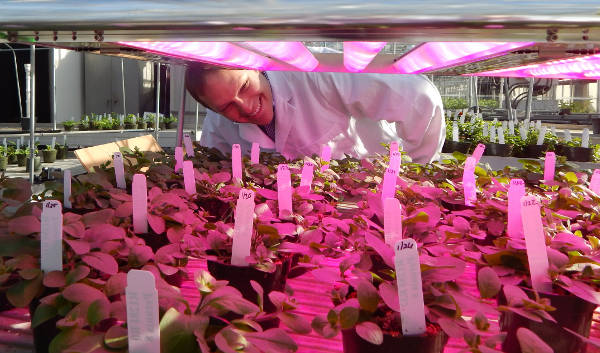
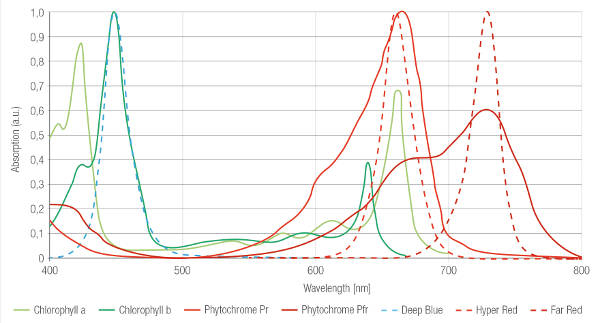 Since the discovery that the light spectrum can stimulate growth by up to 40%, interest in the use of LEDs has increased. Consequently, this type of lighting has become an essential technology for the viability of sustainable urban agriculture. LEDs, which can stimulate the growth of all types of plants and flowers while drastically reducing energy consumption, ensure sustainable food production. As an example, the fresh fruit and vegetable market in Europe, worth more than 30 billion euros – according to ICI Business – is affected by external factors such as climate change, increased consumer awareness of health benefits, growing demand in the superfoods niche, supply chain costs, and pressure to ensure sustainable and ecological practices in horticulture.
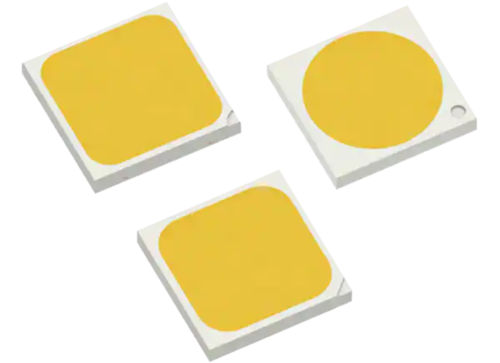
Thanks to their small size, efficiency, and long lifespan, LEDs provide growers with greater flexibility and control over their crops. As for the lighting system, its design must be able to withstand the humidity from sprinklers, dirt, and any type of fertilizer or insecticide that might be used in indoor growing. Furthermore, they are dimmable and easily adaptable to cycles that promote healthy plant growth, ensuring that the plants don't waste energy searching for sunlight, but instead focus on growing faster and producing a better yield.