Within this challenging situation, experts distinguish between three types of drought (meteorological, agricultural, and hydrological), with agricultural drought referring to a lack of soil moisture.
Closely linked to climate change and the global rise in temperatures, there is a growing awareness of the need to use renewable energy sources to reduce carbon emissions, which contribute to the dreaded greenhouse effect. Therefore, solutions are needed that can meet irrigation needs without significant economic or energy expenditure, while also respecting the environment.
From Sun to Soil:
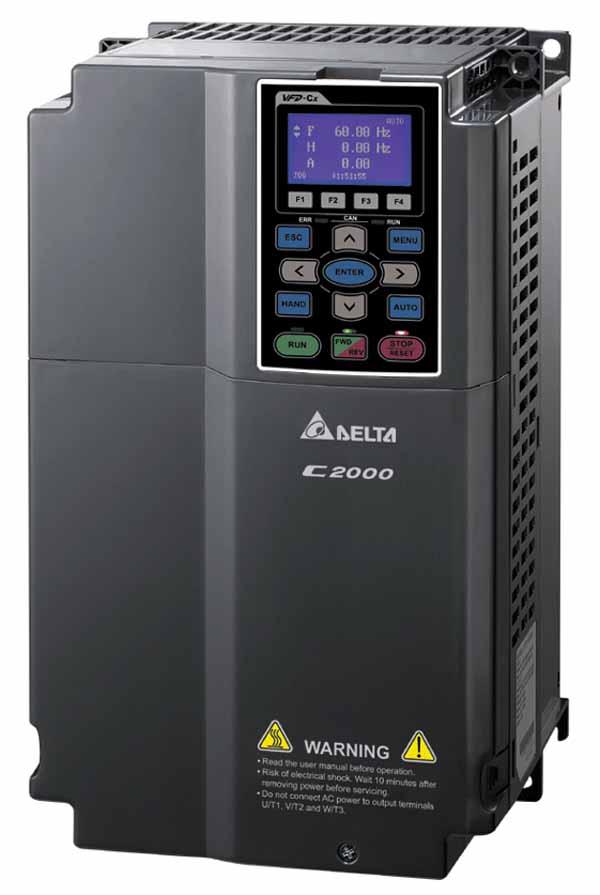
Variable frequency drives for solar pumping meet all these requirements. To begin with, variable frequency drives installed on water pumps allow for a reduction in motor speed, resulting in energy savings of up to 50%.
The electronic control of the variable frequency drive helps optimize its performance, as it adapts to the highly variable operating conditions of the pump, which in turn depend on the hydraulic supply requirements. This optimization is due to the variation – hence the name of the device – of both the frequency and voltage that power the motor, regulating its speed. In other words, the pump motor speed is ideal at all times.
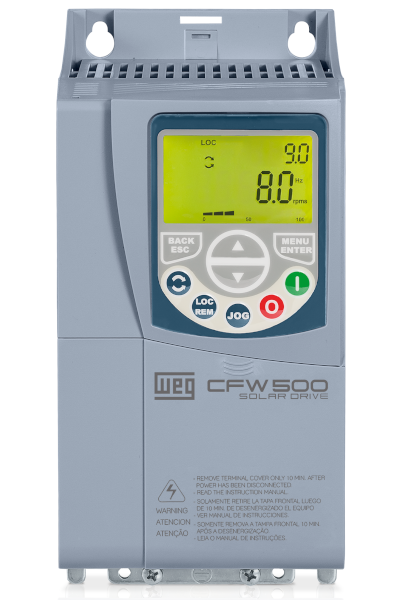
So, where does the energy for the variable frequency drive (VFD) come from? The most abundant source in rural areas is solar energy, which is why there are VFDs that harness this abundant and environmentally friendly energy for their operation. The advantages of agricultural irrigation based on solar pumping have been recognized by the Food and Agriculture Organization of the United Nations (FAO): reduced cost, environmental friendliness, zero dependence on fossil fuels, long lifespan, and low maintenance are just some of them.
To this list, we should also add the great versatility of VFDs for solar pumping, since, as mentioned earlier, they can adapt to highly variable irrigation needs, and their installation is greatly simplified as they do not require bulky generators or fuel tanks that need to be refilled periodically. Not to mention the elimination of pollution and noise.
Salicru, a power electronics expert with a strong environmental commitment, has developed frequency inverters for solar pumping that combine all these attributes. The CV30-PV inverters harness the radiation captured by solar panels to power the inverter with direct current, which in turn is connected to a submersible pump, supplying it with alternating current. The extracted water can be stored in a tank or used directly for irrigation.
These versatile inverters are available in a comprehensive range with power outputs from 0.4 to 75 kW. Their applications extend beyond agricultural irrigation, also meeting domestic water supply needs in isolated areas, livestock watering, fish farming, municipal irrigation, and forestry. All this with the advanced technology, ease of use, and high level of protection that characterize all Salicru products.