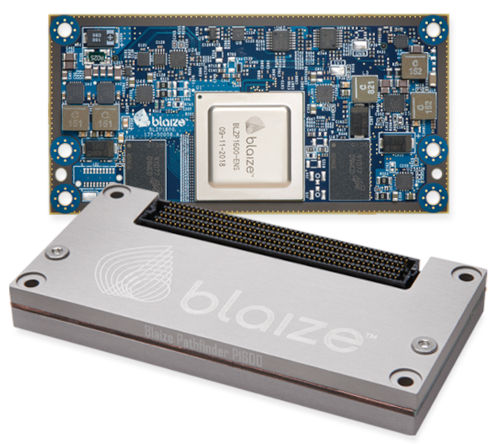
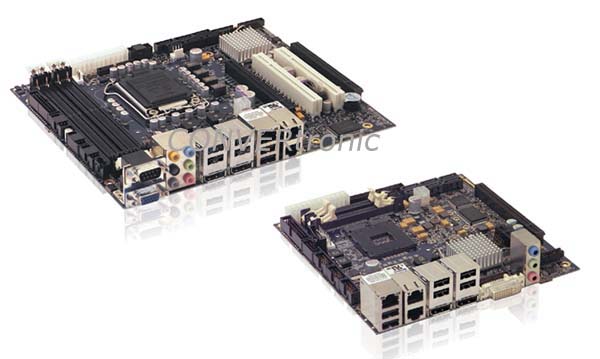
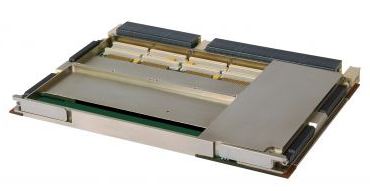
In 2023, the global market for computing devices (COMs) was valued at approximately $1.69 billion, with forecasts indicating an increase to $2.8 billion by 2032. This growth is attributed to the widespread adoption of COMs in applications such as industrial automation, medical devices, automotive systems, and consumer electronics. Market expansion is further supported by advancements in technologies such as the Internet of Things (IoT), artificial intelligence (AI), and edge computing, which require robust and scalable computing platforms. Furthermore, the modular nature of COMs allows for design flexibility and faster time to market, making them an attractive option for original equipment manufacturers (OEMs) and system integrators.
KEY FINDINGS
Main driving force: The primary driver of the COM market is the growing demand for compact and energy-efficient computing solutions in industrial automation and embedded systems.
Leading country/region: North America leads the COM market, with over 36.2% of the global share in 2024, driven by the region's strong industrial base and technological advancements.
Leading segment: Industrial automation is emerging as the dominant application segment, leveraging COMs to enhance processing capabilities and system integration.
COM MODULE MARKET TRENDS
The COM market is experiencing several notable trends that are shaping its trajectory. One significant trend is the integration of artificial intelligence and machine learning capabilities into COMs, enabling real-time data processing and decision-making at the edge. This is particularly beneficial in applications such as predictive maintenance and autonomous systems. Another trend is the increasing adoption of COMs in medical devices, where they provide the computing power needed for advanced patient monitoring and diagnostic systems. The medical segment is expected to experience substantial growth, as COMs facilitate the development of wearable and connected healthcare devices. The automotive industry is also adopting COMs for applications such as infotainment systems, advanced driver assistance systems (ADAS), and electric vehicle (EV) management. The shift toward autonomous and connected vehicles requires robust computing platforms, positioning COMs as a critical component in automotive electronics. Furthermore, the rise of Industry 4.0 and smart manufacturing is driving demand for COMs in industrial automation. COMs enable the seamless integration of various sensors and control systems, improving operational efficiency and productivity.
COM MODULE “Increased demand for compact and energy-efficient computing solutions”
MARKET DYNAMICS DRIVER
The proliferation of IoT devices and the need for localized data processing have intensified the demand for compact and energy-efficient computing solutions. COM modules, with their small form factor and low power consumption, are ideal for these types of applications. They enable edge computing capabilities, reducing latency and bandwidth usage by processing data closer to the source. This is particularly advantageous in sectors such as industrial automation, where real-time processing is crucial.
RESTRICTION “Complexity in Integration and Customization”
Despite their advantages, COMs present challenges in terms of integration and customization. The need to develop carrier boards and system-level integration can increase design complexity and time to market. Furthermore, ensuring compatibility between COMs and existing systems requires meticulous planning and expertise, which may limit their adoption among small businesses with limited technical resources.
OPPORTUNITY “Expansion in Emerging Markets”
Emerging markets, especially in Asia-Pacific and Latin America, offer significant growth opportunities for the COM market. Rapid industrialization, increasing adoption of automation, and government initiatives promoting digital transformation are driving demand for advanced computing solutions in these regions. For example, initiatives such as China’s “Make in India” and “Made in China 2025” are fostering the development of smart manufacturing, which in turn is driving the adoption of COMs.
CHALLENGE “Rapid Technological Advancements and Short Product Lifecycles”
The rapid evolution of technology poses a challenge for COM manufacturers, who must keep pace with the latest advancements. Short product lifecycles require continuous innovation and frequent updates, increasing R&D expenditures. Furthermore, ensuring backward compatibility and long-term support for existing products becomes a challenge, which can impact customer satisfaction and brand loyalty.
MARKET SEGMENTATION OF COMPUTER MODULES
The computer module market is segmented based on type and application, to meet the diverse needs of the industry.
By Type:
ARM-based Compute Modules (COMs): These modules are preferred for their low power consumption and cost-effectiveness, making them suitable for applications in IoT devices, wearable medical equipment, and consumer electronics. Their architecture is compatible with a wide range of operating systems, providing design flexibility.
x86-based COMs: Known for their high processing power and backward compatibility, x86-based COMs are widely used in industrial automation, transportation, and enterprise applications. They are compatible with complex operating systems such as Windows and Linux, facilitating the development of sophisticated applications.
PowerPC-based COMs: Although less common, PowerPC-based COMs are used in specialized applications requiring real-time processing and high reliability, such as aerospace and defense systems. Their robust architecture ensures consistent performance in critical environments.
By Application
: Industrial Automation: COMs play a fundamental role in industrial automation by enabling real-time control, data acquisition, and machine-to-machine communication. They support the implementation of smart factories and Industry 4.0 initiatives.
Medical Devices: In the medical field, COMs are integrated into diagnostic equipment, patient monitoring systems, and portable medical devices, offering reliable and compact computing solutions.
Automotive: COMs are used in automotive applications for infotainment, navigation, and vehicle control systems, contributing to the development of connected and autonomous vehicles.
Consumer Electronics: The consumer electronics segment uses COMs in devices such as smart TVs, video game consoles, and home automation systems, taking advantage of their compact size and processing capabilities.
Networking Equipment: COMs are an integral part of networking equipment, providing the necessary computing power for routers, switches, and communication devices, ensuring efficient data transmission and network management.
REGIONAL MARKET OUTLOOK FOR COM MODULES
The computer module (COM) market is highly diverse globally, with each region contributing uniquely to the overall market dynamics. Regional growth is driven by varying degrees of industrial automation, digitalization, IoT adoption, and technological infrastructure. Below is an in-depth analysis of key regions, along with market figures, adoption trends, and industry-specific drivers.
North America remains the largest and most technologically advanced region in the global COM market.
In 2024, it accounted for approximately 36.2% of the total global COM market share. The United States alone contributed over $610 million in COM-related applications, driven by high adoption in industrial automation, aerospace and defense, medical devices, and telecommunications. The region is home to a significant number of original equipment manufacturers (OEMs) and embedded solution providers, which invest heavily in R&D and edge computing. The U.S. government's investment of over $150 million in 2023–2024 in smart manufacturing initiatives and AI infrastructure is driving demand for scalable and compact embedded modules, such as COMs. In Canada, manufacturing industries account for over 10.1% of GDP, and the increasing shift toward digital factories is creating strong demand for modular embedded computing platforms. In addition, Silicon Valley companies and the technology centers of Austin and Boston are leading the adoption of COMs in advanced robotics, autonomous vehicles, and AI-based industrial systems.
Europe holds a significant share of the computer integration (COM) market, with countries like Germany, France, the UK, and Italy being major contributors. In 2024, the European market accounted for almost 27.4% of global COM revenue. Germany leads the region, contributing over $360 million, driven by its dominance in industrial engineering and automation. European Union funding programs under Horizon Europe allocated €40 million to embedded systems and smart industrial platforms between 2022 and 2024. The COM market is further supported by stringent energy efficiency and safety regulations in sectors such as rail, automotive, and healthcare. Germany's smart manufacturing exports increased by 8.3% in 2023, boosting demand for compact computing units. In France, COM usage in medical diagnostic and imaging equipment grew by 11.5% year-on-year due to digital transformation strategies in healthcare. The UK's defense modernization program is also driving the adoption of resilient COMs with real-time computing capabilities.
Asia-Pacific region is the fastest-growing market for COMs and is projected to expand at a faster rate than any other region due to massive industrialization, investments in digital infrastructure, and widespread IoT integration. By 2024, Asia-Pacific will account for approximately 24.9% of the global market, with China, Japan, South Korea, Taiwan, and India being the key countries. China alone accounted for over $480 million in demand for COM hardware in 2024, with high levels of deployment in smart factories, telecommunications, and electric vehicle manufacturing. The country's "Made in China 2025" policy has significantly boosted the adoption of embedded technology across all industries. In India, the market grew by more than 13.2% year-on-year in 2023 thanks to government initiatives such as the Semiconductor Mission and Digital India, which incentivize local production of embedded systems, including COMs. Taiwan and South Korea are key players in COM production, especially the ARM- and x86-based variants used in consumer electronics and networking equipment. Demand from Japan is driven by its aging population, which requires high-tech medical devices that utilize COMs in portable diagnostic equipment. Total exports of embedded systems from Asia-Pacific exceeded US$8.1 billion in 2024, a significant portion of which includes COM-based solutions.
Although currently a smaller segment, the Middle East and Africa is showing steady growth in the COM market. In 2024, the market size in this region was estimated at $25.03 million, with notable growth driven by digital transformation efforts and industrial diversification initiatives, particularly in the GCC countries and South Africa. The UAE and Saudi Arabia are making significant investments in smart city infrastructure and oil and gas automation, where rugged COMs are used in field control systems and real-time monitoring devices.
Saudi Arabia’s Vision 2030 program allocated $45 billion to industrial modernization, directly contributing to the demand for embedded computing systems. South Africa experienced a 7.8% increase in automation equipment imports in 2023–2024, and COM-based control systems have seen increased adoption in the mining and transportation sectors. Furthermore, African health technology startups are using COM to develop affordable wearable diagnostic devices, particularly in remote areas. As a result, despite its small base, the MEA region is poised to offer strong growth opportunities in niche markets over the next 5-7 years, especially in the energy, transportation, and healthcare sectors.
List of the main companies in the COM module market
ADLINK Technology Inc. (Taiwan): provider of embedded computing solutions, offering a wide range of COM products for various industries.
Advantech Co., Ltd. (Taiwan): recognized for its innovative integrated and automation products, serving sectors such as industrial automation, healthcare, and transportation.
Congatec AG (Germany): specializing in high-performance embedded computer products, including COMs, for industrial and medical applications.
Kontron S&T AG (Germany): offers a wide range of integrated IT solutions, with a strong focus on the industrial and communications sectors.
MSC Technologies (Germany): provides customized integrated computing solutions, including COMs, for industrial and automotive applications.
Eurotech SpA (Italy): develops and manufactures integrated systems and IoT solutions, integrating COM.
Digi International (USA): focuses on IoT connectivity solutions and embedded products, including COMs for medical, transportation, and industrial automation applications. In 2024, Digi launched its latest module, the ConnectCore 93, which offers enhanced AI/ML capabilities and power optimization features.
SECO SpA (Italy): Known for its design and production of embedded and COM systems, SECO collaborates with global technology companies to integrate advanced hardware into industrial and medical platforms.
Toradex AG (Switzerland): Provides robust COM solutions optimized for reliability and longevity, widely used in medical and embedded applications requiring long-term support.
Aaeon Technology Inc. (Taiwan): Offers a wide range of embedded computing platforms, including the COM Express and Qseven modules, widely used in smart city projects and the automation industry.
THE TWO COMPANIES WITH THE LARGEST MARKET SHARE
Advantech Co., Ltd. (Taiwan): Advantech holds the largest market share in the COM segment, with over 17.4% of the global COM market projected for 2024. The company's strategic alliances, broad product portfolio, and extensive global distribution network have solidified its leading position.
ADLINK Technology Inc. (Taiwan): With approximately 11.2% market share, ADLINK is a major player globally. Its strong focus on AI-enabled COMs, coupled with investments in R&D and edge computing solutions, significantly contributes to its market leadership.
INVESTMENT AND OPPORTUNITY ANALYSIS
The global market for COM modules is experiencing increased investment as companies seek to develop more advanced, energy-efficient, and application-specific solutions. Between 2022 and 2024, over $450 million was invested in R&D initiatives related to computing modules. This includes funding for government-backed technology innovation programs and corporate investment rounds focused on AI, IoT, and embedded computing. In 2024 alone, more than 60 embedded hardware startups received venture capital investment to develop COM-based products for cutting-edge industrial robotics and AI applications. The industrial automation sector remains the primary area of investment, attracting over 39% of total COM-related funding.
Automotive applications, particularly for electric vehicles and ADAS, represent another rapidly growing investment segment, with companies like NVIDIA and Qualcomm increasing their collaboration with COM manufacturers. Furthermore, emerging markets are increasingly attracting investor attention. India’s semiconductor mission and Vietnam’s industrial automation modernization projects have spurred the launch of several COM-based initiatives. Notably, in early 2024, the Indian government allocated 750 million Indian rupees (approximately US$90 million) to support the development of domestic embedded systems, including COM hardware. Europe is also actively funding innovation through the Horizon Europe programs, which support COM development for the healthcare and defense industries. In Germany alone, over €40 million was allocated in 2023–2024 to develop energy-efficient modular computing systems. Companies that align their portfolios with these high-growth applications are expected to capture larger market shares and attract significant investor interest over the next 5 years.
NEW PRODUCT DEVELOPMENT
The computer-on-a-module (COM) market is experiencing rapid innovation, driven by the growing demand for flexible, scalable, and high-performance embedded computing platforms. Manufacturers are focusing on developing next-generation COMs that support advanced processors, enhanced AI capabilities, and optimized connectivity features. In 2024, more than 70 new COM products were launched worldwide, with a strong emphasis on AI inference, low latency, and thermal efficiency. One of the most notable advancements was the launch of modules based on the COM-HPC standard, which offer higher I/O density and performance suitable for demanding industrial and medical applications.
Advantech launched its SOM-9X20 COM-HPC series in the first quarter of 2024, featuring 13th-generation Intel Core processors with integrated GPU acceleration. These modules are optimized for applications requiring high-performance graphics and real-time computing. Toradex introduced the Verdin AM62-based module in 2023, targeting cost-sensitive industrial automation projects. This module offers a quad-core Cortex-A53 CPU with integrated real-time processing units, providing a balance between affordability and performance. Congatec launched a new series of SMARC 2.1 modules equipped with AMD Ryzen Embedded R2000 processors. These modules offer enhanced GPU performance and dual 10GbE support, making them ideal for multi-display digital signage and networking solutions. ADLINK introduced the LEC-RB5 SMARC module, equipped with the Qualcomm QRB5165 processor. This module is designed for next-generation robotics and features AI acceleration and 4K video encoding/decoding support. Eurotech has launched a series of fanless COM modules with extended temperature support and cutting-edge AI capabilities. These modules are intended for harsh industrial environments where system reliability is crucial. Manufacturers are also focusing on improving longevity and regulatory compliance. Many of the new COM modules now come with support cycles exceeding 10 years and certification to medical (EN 60601), automotive (ISO 26262), and rail (EN 50155) standards. Overall, the COM product landscape is rapidly evolving, offering OEMs greater flexibility, performance scalability, and application-specific customization options.
FIVE RECENT PRODUCTS
Advantech COM-HPC SOM-9X20 Launch (2024): Introducing modules with 13th Gen Intel Core processors, supporting DDR5 RAM and 2.5 Gb Ethernet, designed for AI and graphics-intensive applications.
Congatec SMARC 2.1 Series (2023): Launching new modules with AMD Ryzen Embedded R2000 technology, featuring enhanced GPU and I/O configurations for industrial automation and edge servers.
Toradex Verdin AM62 Introduction (2023): Designed for cost-effective industrial control systems, this module supports integrated display and CAN-FD functions with an operating range of -40°C to +85°C.
ADLINK LEC-RB5 Launch (2023): Powered by Qualcomm QRB5165 technology, this COM module is intended for robotic vision systems and autonomous drones with support for 15 TOPS AI performance.
Eurotech AI COM for Harsh Environments (2024): Hardened COM modules with edge AI support and integrated CAN, UART, and wireless modules, designed for rail and defense systems.
COM MODULE MARKET REPORT COVERAGE
Markets Report World Global COM Module Market report offers a detailed, multidimensional analysis, encompassing technological evolution, the application landscape, regional performance, and competitive dynamics. It includes comprehensive data on segmentation by type, application, and geographic region, enabling stakeholders to understand niche growth areas and shifts in demand. The study tracks over 85 companies actively involved in COM module manufacturing, with a breakdown of product portfolios, launch strategies, market shares, and distribution channels. It also assesses over 35 product innovations launched between 2022 and 2024 and provides insights into how the market is being reshaped by AI, edge computing, and the integration of the Industrial IoT. Regional coverage includes macroeconomic indicators, government policies, and adoption patterns by sector. For example, the report highlights how the rapid adoption of Industry 4.0 in Asia-Pacific is accelerating the penetration of computer modules (CMs) in factory automation. Similarly, the increasing demand for diagnostic imaging equipment in Europe is driving CM sales in the medical sector. With over 120 data tables and 75 visual charts, the report serves as a comprehensive decision-making tool for original equipment manufacturers (OEMs), investors, and technology providers. Providing insights into market constraints, growth drivers, and future opportunities, this report equips stakeholders with the knowledge needed to develop informed strategies and achieve long-term success in the rapidly evolving computer module market.