 Creating diagnostic analytics solutions for industrial operations has long required expert data scientists with in-depth knowledge of the specific application being analyzed. These experts need weeks, months, or even years to understand and model the system. That expertise has been incorporated into Rockwell Automation's new Project Sherlock Artificial Intelligence (AI) module.
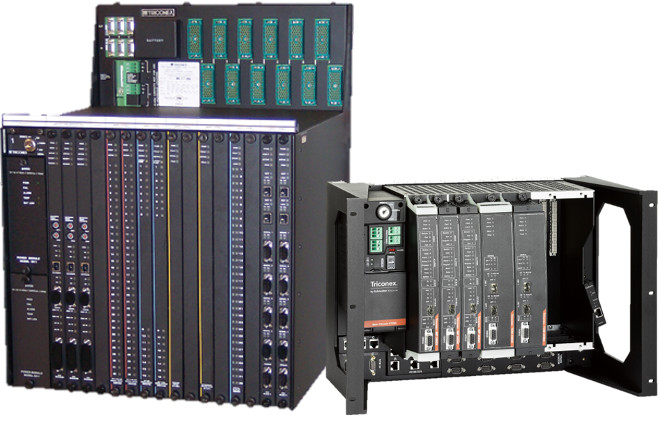
This data-driven analysis algorithm is housed within a module that fits onto the controller chassis. Once installed, AI Project Sherlock leverages novel physics-based modeling to "learn" from the application managing the controller. The solution checks the controller's labels to identify the application or allows users to choose what they would like to model by selecting inputs and outputs via an additional application instruction (AOI). AI Project Sherlock then learns from the data passing through the controller to build a model. This process can be completed in minutes. Large amounts of historical data are not required, nor does the data need to leave the automation layer.
Once the model is built, the Project Sherlock solution continuously monitors the operation for anomalies, comparing it to its derived, principled understanding. If it detects a problem, it can trigger an alarm on an HMI screen or panel. Future iterations will go beyond diagnostics to guide users on how to remedy a problem or automatically adjust system parameters to resolve an issue without human intervention.
Project Sherlock's diagnostics reduce false positives compared to other AI solutions due to its physics-based modeling and its foundation in industrial applications. For example, the Project Sherlock AI can determine whether a boiler temperature change is related to a benign change in the course of operations or an anomaly requiring correction.