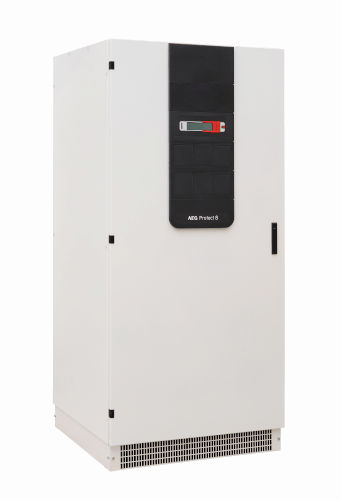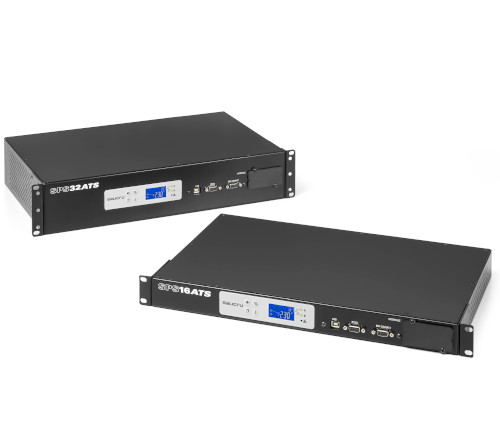

In this regard, new solutions in power electronics will be implemented, both in the promotion of smart grids, the use of clean technologies, as well as state-of-the-art electrical equipment, such as rectifiers and smart chargers that will guarantee a quality electricity supply in the face of regulatory changes and new energy consumption profiles.
The ultimate challenge is to provide existing electrical infrastructures with greater flexibility, avoiding investments in new electrical networks, so that they are able to guarantee an electricity supply in the face of contingencies in the network of urban centers, mainly in summer periods, while improving productivity and costs in the management of these infrastructures and reducing the environmental impact.
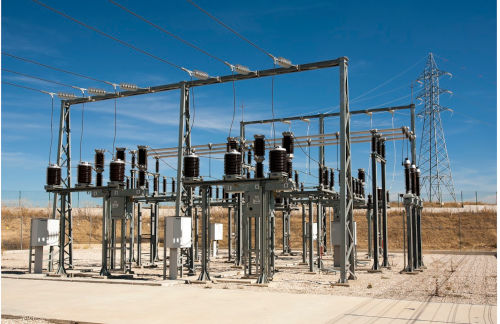
Specifically, the Cuerva network operations team has chosen a transformer substation (TS) in the town of Jayena for the installation of a battery. Its location, far from the substation, causes the grid voltage to fluctuate throughout the day, making it an ideal site for the storage system to compensate for this variation by injecting both active and reactive power, thus preventing the population from noticing any shortfall in the grid.
The use of batteries, besides compensating for voltage fluctuations in the grid, has another very important function: operating in "island mode." This means that, in the event of a grid failure, the battery can autonomously provide power to the municipality for at least two hours, allowing sufficient time for grid repairs and restoration of service. Ultimately, a storage system is cleaner, more economical, and more effective than constructing traditional infrastructure, such as new cabling.
According to Íñigo Segura, CEO of ZGR: “At a time of full transformation of the energy sector and where the electrification of the economy marks the new times, this collaboration agreement demonstrates how cooperation between the different agents of the electricity value chain is fundamental in the energy transition.”
For his part, Ignacio Cuerva, CEO of Cuerva, points out that “the signed agreement is the result of prior work by the technical teams of both companies, in which synergies between both business cultures and niches have been identified where ZGR's mastery of power electronics, combined with Cuerva's knowledge of the electricity market in these urban centers, can enable the development of services and solutions with greater added value for network users.”
“For a distributor, grid storage systems must be a fully integrated component[i][ii], guaranteeing the safe and reliable operation of the distribution network. This way we avoid building electrical infrastructure with a greater environmental impact,” adds Juan Guerrero, Network Services Director at Cuerva.
Cuerva distributes over 100 GWh of energy annually, guaranteeing access to electricity for approximately 50,000 people. To optimize supply and maintain high quality, Cuerva uses 5,100 GB of data integrated into its systems, managing its smart grids in real time.