Mini-LEDs and Micro-LEDs:
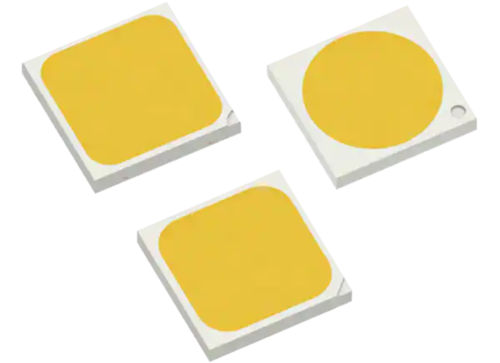
When discussing mini-LEDs and micro-LEDs, a common distinguishing feature is their size. Both mini-LEDs and micro-LEDs are based on inorganic LEDs. As their names suggest, mini-LEDs are considered to be LEDs in the millimeter range, while micro-LEDs are in the micrometer range. However, in reality, the distinction isn't so strict, and the definition can vary. But it's generally accepted that micro-LEDs are smaller than 100 µm, and even smaller than 50 µm, while mini-LEDs are much larger.
When applied to the display industry, size is only one factor when discussing Mini-LED and Micro-LED displays. Another key characteristic is the thickness of the LED and its substrate. Mini-LEDs are typically quite thick, exceeding 100 µm, largely due to the presence of LED substrates. Micro-LEDs, on the other hand, usually lack a substrate, resulting in extremely thin finished LEDs.
A third distinguishing characteristic is the mass transfer technique used to handle the LEDs. Mini-LEDs typically employ conventional "pick and place" techniques, including surface-mount technology. The number of LEDs that can be transferred at once is limited. With micro-LEDs, millions of LEDs usually need to be transferred when using a heterogeneous substrate, so the number of LEDs that must be transferred simultaneously is significantly higher, necessitating a disruptive mass transfer technique.
The differences between Mini-LEDs and Micro-LEDs determine their ease of manufacture and technological maturity.
Mini-LEDs can be used as a backlight source for a conventional LCD screen or as self-emissive pixel emitters.
Regarding backlighting applications, mini-LEDs can enhance existing LCD technology, offering improved color and contrast. Essentially, mini-LEDs replace the dozens of high-luminance LEDs in the frame backlight with tens of thousands of direct-type mini-LED units. Their high dynamic range (HDR) resolution sets a new record. While the mini-LED unit is not yet capable of local pixel-by-pixel dimming like OLED, it can at least meet the stringent requirements for processing local dimming signals for HDR images. Furthermore, LCD panels with mini-LED backlighting typically offer a better CRI and can be manufactured as thin as an OLED panel.
Unlike backlit Mini-LED displays, which are essentially still LCDs, displays that use Mini-LEDs as pixels are called direct-emitting LED displays. This type of display is the precursor to Micro-LED displays.
From Mini-LED to Micro-LED Displays:
Faced with the challenges of chip manufacturing and mass transfer, emissive Mini-LED displays offer a viable solution for future Micro-LEDs. The transition from Mini-LED to Micro-LED involves not only a reduction in the size and thickness of the LEDs themselves, but also a shift in manufacturing techniques and the supply chain. The rapid adoption of Mini-LED displays, whether backlit or emissive, is helping to establish the supply chain and build knowledge and experience.
Micro-LED displays offer value propositions such as a wide color gamut, high luminance, low power consumption, excellent stability and long lifespan, wide viewing angle, high dynamic range, high contrast, fast refresh rate, transparency, seamless connectivity, and sensor integration capabilities, among others. Some of these features are unique to Micro-LED technology, making it a potential game-changer in the display industry.