Within this context, critical infrastructures (KRITIS) such as electricity, water, gas, telecommunications, transport, and healthcare, whose failure can cause major disruptions to daily life, have become vitally important, and their proper functioning is of fundamental importance. The correct management and maintenance of these infrastructures is essential to guarantee public safety and the functioning of society as a whole. In particular, electricity must be distributed stably and reliably to avoid outages or failures that could have serious consequences.

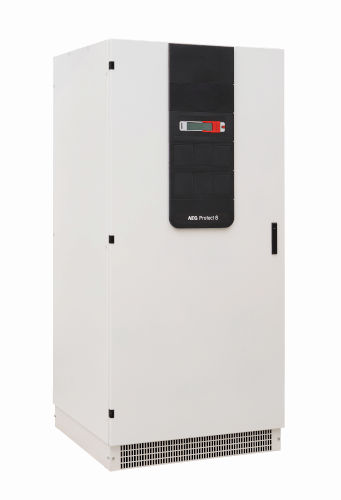
Uninterruptible power supply (UPS) systems are essential in these types of infrastructures. These systems are designed to ensure that, in the event of a power outage or voltage fluctuations, the electrical supply remains stable and sensitive equipment, such as communication systems or telecommunications infrastructure, is protected. UPS systems ensure that, during a power outage, systems continue to operate without interruption, even allowing for an orderly shutdown of equipment in the event of a prolonged outage.
In addition to preventing power interruptions, UPS systems offer other crucial functions, such as protection against voltage fluctuations that could damage equipment, and contribute to overall operational safety. They also help comply with legal requirements that mandate critical infrastructures to have measures in place to guarantee a constant power supply.
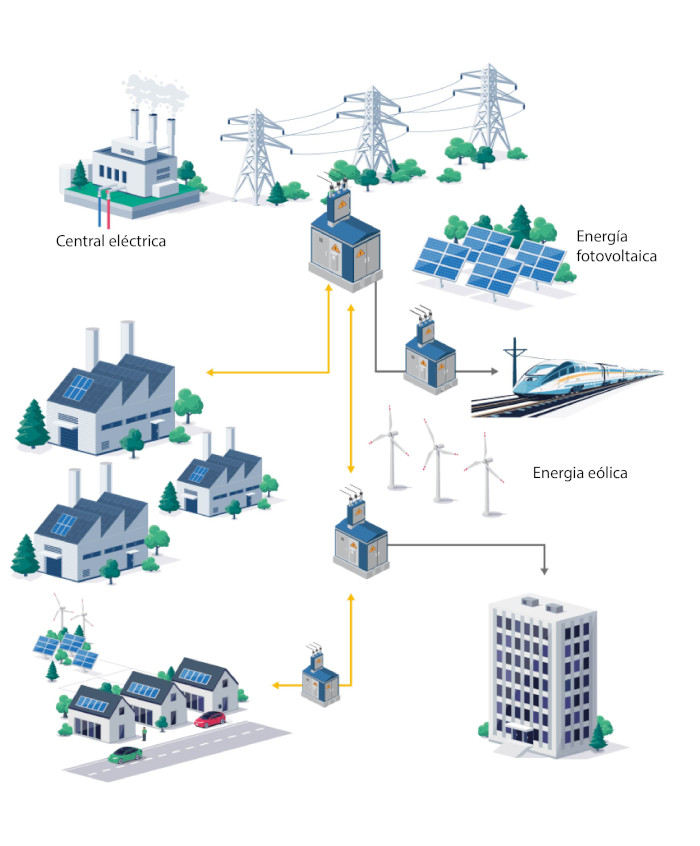
Energy infrastructure must adapt to an increasingly flexible environment, with variable loads, decentralized energy sources (such as photovoltaic systems, heat pumps, battery storage, and electric mobility), and the need to meet governments' ambitious climate targets. This shift implies a significant expansion of energy infrastructure, which is projected to double in the coming years to meet these objectives.
In increasingly demanding environments, such as unconditioned outdoor areas, heat poses one of the greatest challenges to UPS reliability. Sensitive components, such as electrolytic capacitors, can experience a reduction in lifespan of up to 50% if the temperature rises by just 10°C. Therefore, protecting these systems against overheating is crucial. The design of devices, with high efficiency and an optimized heat dissipation system, plays a fundamental role in extending the lifespan of power supply systems.

PULS, for example, has developed the "Cool Design" concept to reduce heat generation and improve the efficiency of its power supplies, distributed in Spain and Portugal by Electrónica OLFER. This design is based on three key factors: consistently high efficiency, optimized heat dissipation, and the intelligent arrangement of sensitive components within the device. Furthermore, in DC-UPS systems, PULS has opted to separate the power supply from the UPS module, allowing for greater protection against generated heat.
Regarding energy storage solutions, PULS offers options such as double-layer capacitors (Ultracaps or Supercaps), which have proven to be a reliable and cost-effective technology in UPS systems for industrial applications. However, the choice of appropriate energy storage depends on the specific needs of each application, such as the required voltage, the amount of current needed as a backup, and the necessary backup time.

In short, ensuring a reliable power supply to critical infrastructure is vital for the safety and well-being of society. UPS systems play an essential role in this, protecting sensitive equipment and ensuring a continuous supply even under adverse conditions. As the energy infrastructure evolves to incorporate new technologies and renewable energy sources, the challenge of maintaining a stable and secure power supply becomes even more complex. However, with proper planning and the use of advanced technologies, it is possible to guarantee the reliability and security of the power supply to our society's critical infrastructure. Each application requires a specific analysis to choose the best backup solution, taking into account the particularities of each sector and its operational needs. Electronica OLFER has a large team of specialist technicians who help select the best option for different applications and industrial systems.