


Just as systems have evolved from carburetors and simple exhaust systems to precision fuel injectors, emissions systems, and traction and braking control systems, similar advancements have occurred in electrification with new architectures, electric motor components, battery packs, and advanced power electronics. Combined, these advancements are pushing engineers to reimagine how vehicles are designed and driven to achieve maximum efficiency, reliability, and safety.
Experts from two leading electronics companies—Matt McWhinney and Kirk Ulery, directors of business development at Molex, and Shawn Luke, director of technical marketing at DigiKey—shed light on the current state of the electrification movement and key considerations for the future of the automotive industry.

Vehicle Models:
Although the closely watched demand for electric and hybrid vehicles continues to rise, new EV sales have slowed in recent months due to a number of factors, including market conditions and government policy. Industry experts cite cost and limited charging infrastructure as two major reasons.
“We’ve had ups and downs in electrification,” said Ulery. “If you’re driving more than 100 miles (160 km) at a time, you know the charging infrastructure needs to be addressed.”
Hybrid vehicles, meanwhile, are outselling EVs. According to Edmunds data, hybrid purchases saw their biggest increase in 2023, jumping from more than 750,000 sales in 2022 to more than one million sales in 2023.
Another emerging category is mild hybrids, which use a battery-powered electric motor to supplement gasoline or diesel fuel. Most mild hybrids operate on a 48V electrical system, which is a higher voltage than the electrical systems in a traditional combustion engine vehicle. The 48V system powers components that are not dependent on the engine, allowing for greater operational efficiency.
Despite the rapid pace of innovation in car design, gasoline-powered vehicles still dominate the roads. According to a study by Edmunds, 82% of new vehicles sold today are gasoline-powered. However, the electrification movement is well underway, from traditional vehicles to the most advanced high-tech electric models.
Electrifying Under the Hood:
Ulery notes, "One constant we're seeing is much more electrification: mechanical systems are being electrified across all vehicles for many reasons, primarily to boost efficiency."
One example is stop-start technology, which shuts off the engine when a vehicle comes to a standstill and automatically restarts it when the driver releases the brake or presses the accelerator. While this feature may put more strain on some components, its aim is to improve fuel efficiency and reduce greenhouse gas emissions.
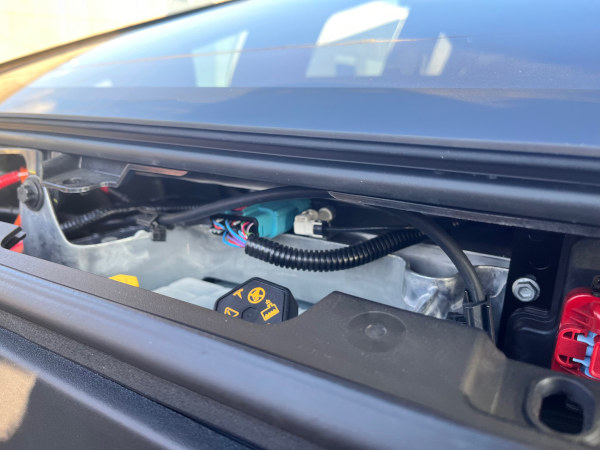
Other examples of electrification under the hood include radiator fans, power steering, climate control systems, and cooling pumps. All of these systems used to be belt-driven in an internal combustion engine (ICE). Electric water pumps are replacing mechanical radiator pumps for more efficient performance, and precise control with electric cooling can extend the lifespan of these parts. Extended battery management systems also circulate coolant throughout the vehicle to regulate the temperature of the battery pack, electric motors, and power electronics.
The shift to electric modules, such as power steering pumps, makes the system less reliant on the engine, reducing parasitic loads and allowing for more horsepower. As a result, automakers can fit smaller engines into some vehicles while maintaining the same driving performance, gaining efficiency advantages and producing fewer emissions.
"Electrification has opened the door to innovative new vehicle designs," Luke notes. "Without the need to accommodate the 'belt-driven architecture' of a traditional internal combustion engine, automakers have more flexibility in terms of where to place batteries and charging ports, the ability to increase the amount of passenger or cargo space, and more."
Overall, the electrification movement is replacing traditional mechanics with electrically controlled precision systems that can be more efficient. Combined with advances in software control, modern vehicles are cleaner, more energy-efficient, and offer performance and sustainability for both passenger and commercial drivers.
Vehicle Battery Advancements:
Over the past decade, vehicle manufacturers have moved from 12V batteries to higher voltages, such as 24V (especially for commercial vehicles) and now 48V, to increase power capacity, reduce vehicle weight, improve acceleration, and save fuel.
European legislation has been laying the groundwork for emissions reductions in new vehicles. A combination of regulatory and market forces is behind the growing shift towards mild hybrid architectures, which include integrated starter generators; 48V is not only growing in mild hybrids but also seems likely to appear in more ICE platforms.
The move to 48V architecture involves more than just increasing system voltage. It also requires a change in the electrical foundation. High-performance vehicles rely on lighter, smaller components that offer the same electrical efficiency as a higher-density model.
Ulery states, "It's common for both 12V and 48V systems to shift the traditional mechanical functions of a serpentine belt to a series of electric motors." He gave the example of a heavy-duty truck that uses mechanical power for power steering. In many vehicles, this function is being electrified. "The amount of power required for power steering reduces the engine's horsepower, so by moving it to a separate electric system, drivers can maintain more power through the drivetrain."
The automotive industry's move to higher-voltage systems is gradual, given the significant impact it has on the design and manufacturing process. Each manufacturer's transition follows a different timeline depending on its products, its technical maturity, and the requirements of the customers it serves. Furthermore, all are governed by design standards and practices related to the technologies they will use, including:
• ISO 21780, which covers the requirements and tests for electrical and electronic components of road vehicles equipped with an electrical system operating at a nominal voltage of 48 V.
• VDA Recommendation 320 , published and maintained by the ZVEI (German Association of Electrical and Electronic Equipment Manufacturers), covers a wide range of specifications and test requirements for electrical and electronic components in motor vehicles for developing 48 V power supplies.
Adhering to the standard for intelligent battery management is essential for the success of the 48 V architecture. With the right design process, automakers can avoid inefficient energy storage, increased costs, and potential safety risks for drivers.
Interconnect Fundamentals for Prioritizing Safety:
Now that vehicles need more power than ever to support increasingly sophisticated electrical functions, designing a reliable connector for 48V systems depends on several critical factors to meet vehicle performance and safety standards.
McWhinney states, "Having the electronics and infrastructure—the interconnects to support the vehicle—is essential for safety."
Because 48V systems operate at a higher voltage (than 12V systems), connectors and electrical systems must be constructed from robust materials and have adequate insulation for safe and reliable performance. This is even more critical when the voltage exceeds 48V.
Connector failures can lead to vehicle system malfunctions or safety hazards. To prevent disconnections, connectors must include locking and strain relief mechanisms, as well as undergo regular inspections and maintenance checks.
"Safety and control of the electrical installation are now more important than ever," says McWhinney.
Maintaining signal quality is crucial for high-voltage applications. Poor signal integrity can lead to malfunctions, so connectors must minimize signal loss and interference with shielded cables, as well as ensure proper grounding and strategic placement. Addressing these considerations requires innovation and expertise, which is where advanced connector solutions come in.
"It seems basic, but the importance of interconnection in automotive design, especially for safety, is often underestimated," Luke added.
Keeping Up with Changes and Parts Certification:
Meeting safety requirements is a top priority, but McWhinney points out that an additional challenge is the constant evolution of vehicle electrical system requirements, which forces manufacturers to stay current and continuously review connectors and other components.
Manufacturers can always refer to LV214 standards to track performance requirements and carefully review and certify components approved for safe use in the automotive industry.
Components that meet LV214 or similar requirements are typically high-quality, rugged, and reliable parts that can withstand harsh road conditions without sacrificing performance. For example, MX150 connector series offers components designed for vehicles facing demanding environments and are durable against extreme temperatures, vibration, and humidity.
Luke notes: "With more opportunities for innovation in vehicle design, more vehicle manufacturers are adopting electrification practices. Due to the hyper-fast innovation cycle, there are few standard platforms in this area. However, the increased variety gives consumers more choice, and we expect the cost of vehicles will likely decrease as technology advances and production ramps up."
Consideration of commercial vehicles
While much has been said about passenger cars, everything discussed in this article has been happening for much longer in the commercial vehicle (CV) environment. Commercial vehicles rapidly transitioned from 12-volt systems to 24-volt systems for powering diesel engines and some electrical systems, which allowed them to have smaller starters in the past. There is also a long history of electric vehicles in commercial vehicles, especially buses, construction and agricultural vehicles, and heavy-duty trucks, among others.
Commercial vehicles are typically designed to help their owner/operator earn money and, therefore, must operate reliably. The pressure on a CV to operate reliably is often greater than that on passenger cars, so additional sealing and strength are needed.
In both passenger and commercial vehicle design, today's engineers must consider numerous complex and energy-intensive systems and features that not only meet the demands of consumers and businesses but are also highly efficient, durable, and safe. Fortunately, technology providers are ready to take on the challenge of creating the technology that solves these innovation problems.
As automotive engineers transform the future of transportation, suppliers like Molex and distributors like DigiKey accompany them on this journey, providing high-quality components, services, and expertise to enable this transformation.
Authors: Matt McWhinney, Group Business Development Director, and Kirk Ulery, Distribution Business Development Director, Molex; Shawn Luke, Marketing Technical Engineer, DigiKey.
Matt McWhinney and Kirk Ulery are Business Development Managers at Molex. As a leading global provider of connector solutions, Molex brings engineering excellence, trusted relationships, and an unparalleled commitment to quality and reliability to help customers in every industry improve their lives. With over 80 years of trust, Molex offers world-class design and manufacturing and a portfolio of more than 100,000 innovative products.
Shawn Luke is a Marketing Technical Engineer at DigiKey. DigiKey is a leader and continuous innovator in the high-service distribution of electronic components and automation products worldwide, providing more than 15.9 million components from over 3,000 quality brand manufacturers.