
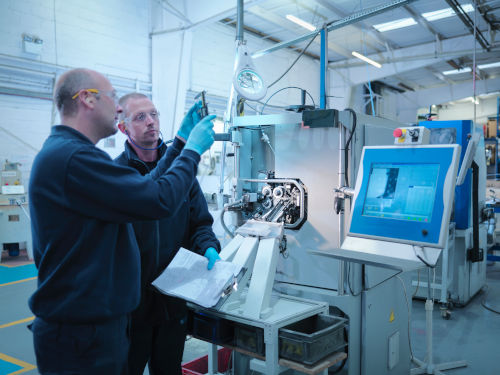
When we imagine the factory of the future, we often think of autonomous transport vehicles and other robotic machines performing tasks efficiently day and night, without interruption and with minimal downtime. While technological innovations are increasingly being adopted in factories, bringing unprecedented improvements in productivity and efficiency, a production line is only as strong as its weakest link. In a typical factory, countless components operate without notice, yet they perform crucial functions, particularly for safety.
If a switch, button, dial, or light malfunctions, it can jeopardize the resilience of a production line and even endanger lives. The safety of personnel working near heavy machinery is paramount and cannot be compromised. Even the smallest components must be reliable and continue to function flawlessly.
Small and medium-sized enterprises (SMEs) represent a significant proportion of the total number of businesses worldwide and are considered the backbone of a healthy economy. The dynamism of SMEs provides jobs and generates growth at the local level and for the economy as a whole. According to the Organisation for Economic Co-operation and Development (OECD), SMEs account for around 70% of jobs and generate between 50% and 60% of added value. In emerging economies, SMEs contribute up to 45% of jobs and 33% of GDP. Their contribution to regional and global economies underscores the critical need to maintain the most efficient, safe, and productive operation possible in these businesses.
 How to Address Business After the Pandemic:
The resurgence of SMEs after the pandemic is resulting in stronger order books and accelerated expansion. Consequently, investment in automation, digitalization, and other innovative technologies continues to rise. Instead of competing with large companies that can leverage economies of scale, many SMEs generate their value in specialized or niche markets. Therefore, their production lines are often highly specialized and customized. Furthermore, they often cannot finance significant capital investments to automate an entire production line or modernize production processes with robotics. Typically, the adoption of digitalization progresses at a slower pace and involves disparate systems and parts from various manufacturers.
While new and innovative production methods can increase productivity, it is crucial that business operators avoid mistakes with the basics—the less "trendy" elements of the modern production line that perform critical tasks. These components include safety pushbuttons, indicator lights, signal towers, and alarm systems that only make headlines when something goes wrong.
Safety-Critical Functions:
The emergency stop pushbutton is one of the most basic components used in a plant, but also one of the most important. This critical component can prevent equipment damage, personnel injuries, and, in extreme cases, can mean the difference between life and death. This part must be 100% reliable. Global distributors of electronic components, such as Farnell, offer a range of emergency stop pushbuttons from reputable manufacturers in a variety of designs and configurations to suit the specific needs of a factory or its personnel. Emergency stop pushbuttons can have key-operated or keyless functions, pull-pull or twist-operated mechanisms, as well as illuminated buttons for enhanced visibility.
Eaton has a wide range of safe and emergency stop pushbuttons that can be mounted on the front of equipment or directly on the factory floor. Self-monitoring contact elements ensure safe operation even in the event of faulty installation or excessive force. Eaton emergency stop pushbuttons are ideal for harsh environments thanks to their robust design, which offers a high degree of protection (IP67, IP69K) and a wide ambient temperature range. Ultimately, the emergency stop pushbutton is a crucial component for ensuring the complete protection of people, machines, and systems.
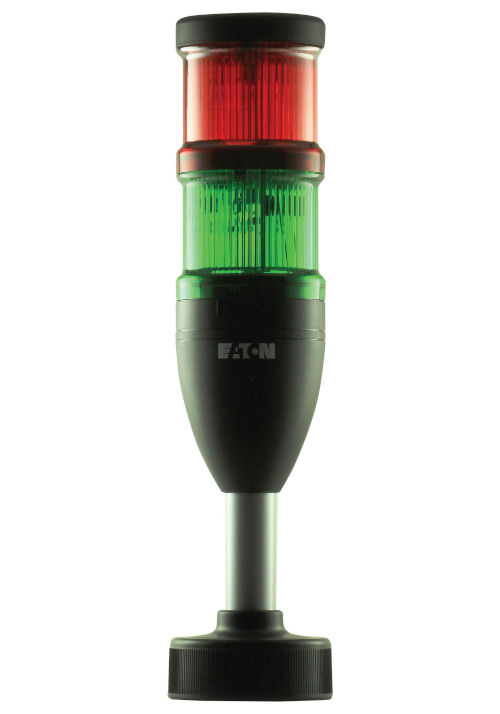
Signal towers are another example of equipment that rarely attracts attention but plays a key role in visual factories. The intelligent use of lighting, combined with good automation system design, allows human-machine interfaces to rely on a more visual approach to troubleshooting. Signal towers typically use lights to pinpoint the exact location of a problem. Traffic light or indicator light systems can also be used to provide factory workers with easy-to-understand and intuitive visual cues to communicate production status and any potential hazards, especially in noisy environments. Examples include the Eaton SL7-100-L-RG-24LED and Mallory JT028-RYGBC-CD signal towers . When it comes to locating faults, signal towers can save valuable time in identifying and isolating a potential problem, improving plant safety and the efficiency of subsequent maintenance work.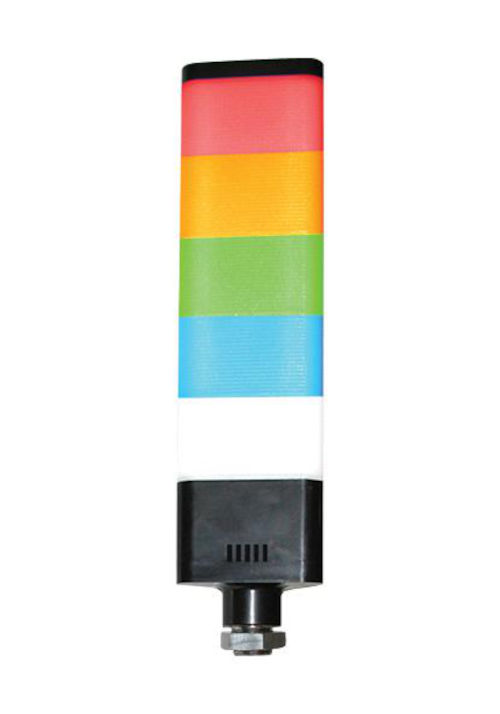
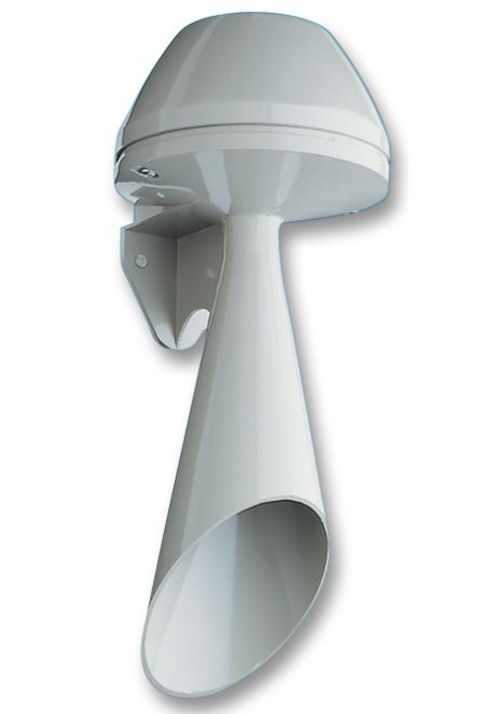
Signal towers coupled with a sound alarm system can further enhance safety. Again, these devices aren't typically associated with futuristic production lines, but they play a vital role. Dealers offer a wide range of options to help improve the safety of heavy machinery and ensure that assistance can be quickly dispatched to where it's needed in an emergency. Among the market-leading solutions for indoor and outdoor use is the 57005268 wall-mounted siren from Werma Signaltechnik GmbH.
 As factory design becomes more sophisticated, new technological safety solutions are entering the market, complementing proven components such as alarms and push buttons. For example, safety light curtains, which create a virtual barrier around a hazard, essentially function as proximity sensors and can be used as an alternative to mechanical barriers. They use light to create a virtual barrier around an object or area. When triggered, they can instantly and automatically activate safety features such as alarms or shut down equipment to reduce the risk to personnel performing maintenance on moving machinery.
The Unsung Heroes of Modern Factories:
Like the canary in the gold mine, ideally, many safety components in modern plants should never be needed. However, they must function when required. It is crucial that factory owners ensure all equipment is certified, tested, and up-to-date. Working side-by-side with machines carries inherent risks and requires the use of devices that can protect workers from unsafe practices, expedite troubleshooting, and ensure a quick and effective shutdown in case of an emergency.
Increased industrial automation is proven to boost productivity, but it can also lead to increased risks. Technology has helped modern factories become more connected and, therefore, achieve improvements in speed and performance. However, when thinking about the factory of the future, don't overlook some of the unsung heroes needed to build a production line and ensure a productive and safe working environment.