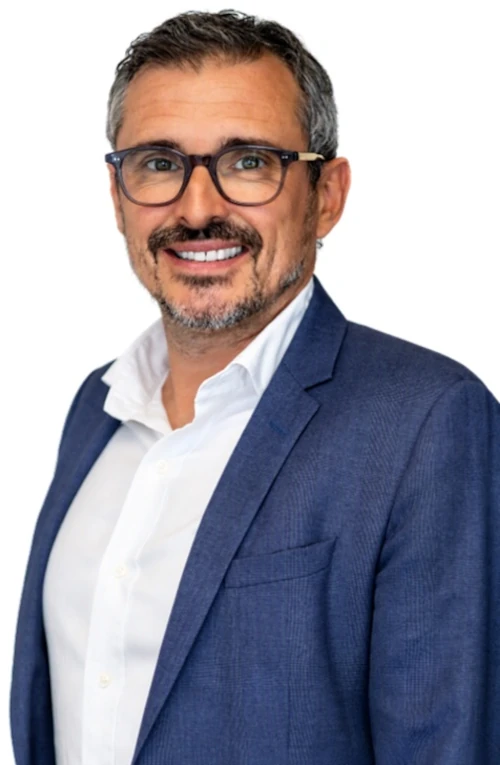
A lawyer by training, Olivier Janin brings nearly two decades of experience representing European industry, managing associations, and handling public affairs. Before joining ESIA, he was Deputy Director General of Orgalim, the European association of technology industries, which he joined in 2008. There, he held senior management responsibilities, including leading the Partnerships Department, which provides advocacy, management, and secretarial services to European technology associations across a wide range of industries. He led several of these associations, including the Association of Refrigeration, Air Conditioning and Heat Pump Contractors (AREA), the European Federation of Materials Handling (FEM), and, most recently, Food Manufacturing Technologies Europe (FMTE).
Erik Rein, President of ESIA and Executive Vice President and Member of the Board of Management of Mobility Electronics at Bosch, commented: “Olivier brings the right combination of European policy experience, association leadership, and knowledge of the technology industries to help ESIA at a critical time for our sector. As Europe works to strengthen its semiconductor ecosystem, improve investment conditions, and move from political ambition to industrial execution, his experience in building consensus among companies, associations, and policymakers will be a great asset.”
In response to his appointment, Olivier Janin stated: “It is an honor to lead one of Europe’s most strategic and pioneering industries. I look forward to driving ESIA’s continued development: building on its existing strengths, while collaborating with members and the team to further reinforce its strategic positioning, visibility, and impact at a pivotal time for the European semiconductor industry.”
With Olivier Janin taking the helm, ESIA reaffirms its commitment to collaborating with EU institutions and stakeholders worldwide to strengthen the conditions for a globally competitive semiconductor ecosystem in Europe. The association will continue to advocate for policies that support investment, industrial expansion, research and innovation, supply chain resilience, skills development, sustainability, and open, rules-based trade across the entire semiconductor value chain.