Specifically, three distinct scenarios have been developed: a house, a vehicle, and a hospital. These scenarios include everything from an anti-icing coating to improve aircraft safety by observing the sky, to biodegradable or root-resistant pipes that extend the lifespan of irrigation systems, new, more effective pine processionary caterpillar traps with lower installation costs, a composter made from marine debris, insect-repellent powder coatings for various surfaces, biodegradable ropes and plant supports, and furniture made from wood-plastic composites—all in the garden. On the house's roof, a solar panel tracks the sun, improving the efficiency of conventional panels, and in the garage, an electric vehicle charging station made from biocomposites.
Inside the home, several rooms showcase innovative products: in the kitchen, containers that extend food shelf life by more than 15%, and another that distributes heat evenly when microwaved. There are also biodegradable mesh bags for citrus fruits, potatoes, onions, and shellfish, food packaging made from recycled materials, and even appliances with scratch-resistant and fire-retardant properties, as well as an antibacterial countertop. In the bathroom, there are biodegradable containers for cosmetics and over-the-counter medications, lighter solid surface surfaces with improved properties compared to conventional ones, and non-slip vinyl flooring. In the bedroom, interior panels made from biocomposites improve air quality, and there's also an anti-snoring medical device and more environmentally friendly hangers thanks to an innovative gas-based production process. A touch-sensitive, electrically conductive lamp illuminates the room, and energy-efficient and comfortable underfloor heating systems provide climate control. In this space we also find sustainable fireproof materials, as well as a mattress made from recycled material obtained through innovative systems for collecting and recovering bulky urban waste, and textiles made from plastic collected from the sea.
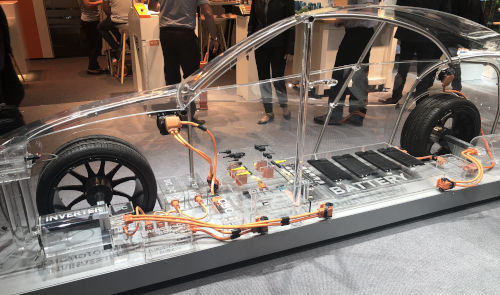
Parked in front of the house, next to street furniture made from recycled rubber and on low-maintenance asphalt thanks to the recycling of various types of waste, our vehicle awaits. This futuristic car incorporates electromagnetic shielding systems, recycled material with electrical conductivity, heated panels that save up to 30% compared to conventional ones, self-cleaning and scratch-resistant surfaces, materials from renewable sources such as the upholstery textiles, and environmentally friendly fire-retardant materials. We even find a touch-sensitive fabric that replaces traditional buttons.
In the hospital, patient tracking is improved thanks to RFID-enabled wristbands, and antimicrobial surfaces prevent the spread of disease. Inside the operating rooms, developments by AIMPLAS enable more effective procedures, thanks in part to improved 3D-printed tools for use with the Da Vinci® robot in ovarian and prostate surgeries, and a low-cost videolaryngoscope with enhanced vision compared to conventional models. Materials that enable electromagnetic shielding prevent interference with equipment, and 3D printing allows for the reproduction of patient organs at full scale for surgical planning or the manufacture of patches for localized drug delivery. Other developments for the medical sector showcased in the virtual reality tool include innovative smart markers for prostate cancer radiotherapy and smart biomaterials that regenerate maxillofacial tissue, minimizing the need for surgery. In the hospital pharmacy, plastic containers for eye drops have been validated, optimizing their expiration date and reducing the number of preparations required.
These are projects that seek to address the challenges facing society, from those related to the Circular Economy or climate change to those that enable sustainable mobility or agriculture, as well as those that guarantee food security.
During its participation in the event, the technology center will also present its wide range of technological services performed in its ENAC-accredited testing laboratories. Currently, AIMPLAS laboratories offer the largest range of accredited tests for the plastics sector, in accordance with the UNE-EN ISO/IEC 17025 standard.