
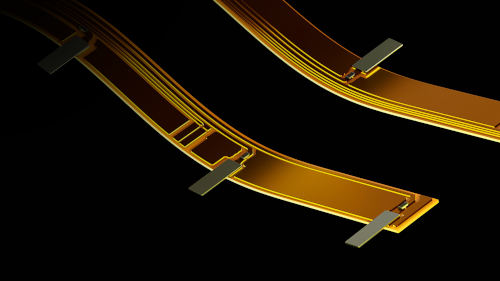
Typically, FPCs are manufactured using a multi-stage batch photolithography process to etch copper traces for the flexible circuit. This production process uses corrosive chemicals that dissolve unwanted copper. Furthermore, extracting residual copper from the chemicals is time-consuming and energy-intensive, hindering efficient recycling. The die-cutting process allows for the immediate recycling of copper, making it a more preferred material than chemical etching.
Compared to FPCs, which have a size limitation of 600 x 600 mm, FDCs have no length restrictions as they are manufactured reel-to-reel. Under certain design considerations, FDCs provide performance characteristics similar to those of FPCs. These results were confirmed through rigorous internal testing of dimensions, thermal shock, trace resistance, temperature rise, insulation resistance, and high voltage.
Lithium-ion BESSs reached 318 GWh of global deployments in 2025
Annual global deployments of stationary lithium-ion battery storage systems (Li-ion BESS) are projected to increase from 92 GWh in 2023 to 318 GWh in 2025, according to estimates from IDTechEx. This figure includes grid-scale, commercial and industrial (C&I) installations, and...