2023 saw record figures in several key metrics: total sales increased by 14% year-on-year to €2.05 trillion, and profits rose by 15% to €176 billion. However, the figures for the last quarter of 2023 showed that the industry is at a turning point. Challenges in promoting electric mobility, disruptive technologies, and stringent legal requirements: the sector's future success hinges on overcoming numerous obstacles.
Boosting Innovation for Electric Motors
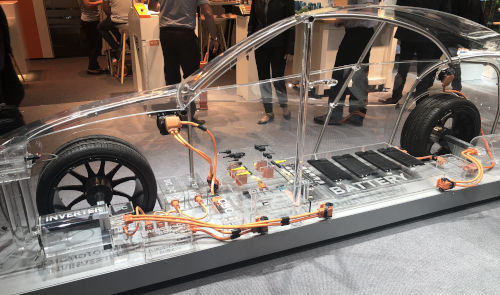
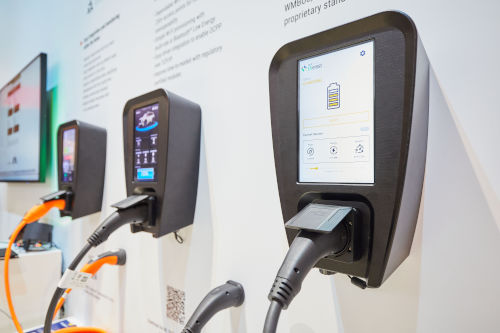
Despite the disruption of subsidies and a lack of infrastructure in some areas, the future belongs to electric motors, and electrification is progressing worldwide across all vehicle classes. The software, battery, and electronics industries play a key role here. Regarding batteries, future technologies such as solid-state batteries with higher energy density will set new standards in terms of charging time, range, fire safety, and cost-effectiveness. Furthermore, electronica 2024 will focus primarily on the electronic components, technologies, and solutions needed for the transition to electric mobility.
Silicon carbide (SiC) and gallium nitride (GaN) semiconductors with wide bandgap ranges, for example, are increasingly used in electric drives due to their high efficiency and power output, and are becoming ever more powerful. The switching frequency of converters continues to rise, enhancing driving comfort and energy efficiency. The next, still in its early stages, phase of development involves diamond semiconductors. Meanwhile, innovative housing technologies are driving miniaturization.
The Transformation of the Car into an IoT Device: Software as a Key Competency.
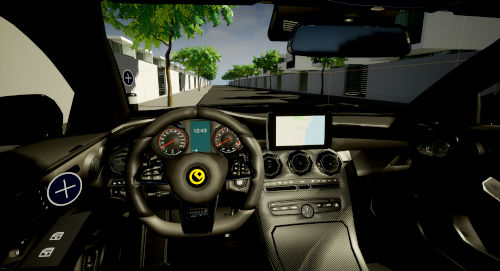
The digital driving experience has long since become the most important distinguishing feature, and the car has transformed into an IoT device. Connected mobility extends to almost every vehicle function. Highly digitized vehicles form the basis for future technologies such as assisted and autonomous driving, but also for the driving experience through personalization and infotainment, as well as Advanced Driver Assistance Systems (ADAS), especially safety functions. This means that manufacturers must transform themselves into "software-first" companies. UNECE regulations also present them with new challenges in the area of cybersecurity. One of the keys to addressing the increased bandwidth and computing power in all vehicle classes is the E/E zonal architecture and the shift to a smaller number of powerful, networked on-board computers with integrated control units.
Sustainability in the Automotive Industry:
Sustainability will play a fundamental role in electronics by 2024. In the automotive sector, this means much more than driving emission-free vehicles. Numerous legal requirements must be met, and customer expectations must be fulfilled. Therefore, it is crucial that the automotive industry collaborate closely with innovation leaders in the electronics industry to lay the foundations for and optimize a joint sustainability strategy across the entire supply chain. In addition to producing electronic components sustainably and with resource efficiency, this also includes environmentally friendly disposal and recycling, as well as other innovative solutions that reduce the ecological footprint of vehicle production and operation.
Automotive in Electronics 2024
As the world's leading electronics trade fair, electronica 2024 is the ideal platform to bring together the automotive and electronics industries. The theme for 2024 is "Leading the Way to a Fully Electric Society." The trade fair will showcase automotive solutions and technologies from Alps Alpine, Analog Devices, Infineon, Murata, NXP, Samsung, STMicroelectronics, TDK, and Vishay, among others. Numerous innovations from exhibitors can be found in Hall B6, the Smart Mobility Village, and the Smart Mobility Pavilion. The forum program on the Smart Mobility Stage in Hall B6 offers a practical overview of current industry developments.
The trade fair will kick off with the electronic Automotive Conference on November 11, 2024. This event will bring together professionals and executives from across the supply chain to discuss the most important trends and challenges facing the industry, including companies such as Audi, Bosch, Infineon, NXP, and Qualcomm. The focus will be on electrification, sustainability, and cybersecurity, as well as evolving trends in interior design and driver assistance systems.