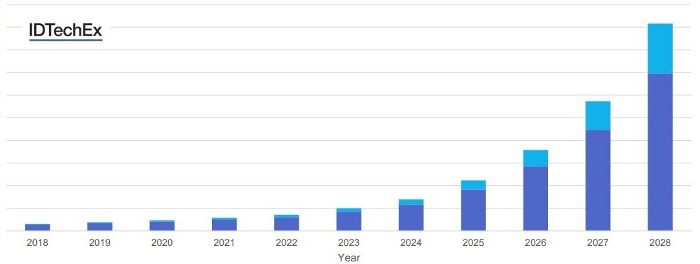
As mines age and operations continue to extract minerals at deeper levels, a shift towards greater productivity, efficiency, and enhanced safety is ongoing. One example of this is the increasing challenge of ventilation for fleets of diesel-powered mobile equipment as underground mining progresses to greater depths, in addition to the need to reduce particulate emissions and comply with safety regulations in some jurisdictions. The market forecast for electric vehicles in mining shows that by 2028, there are expected to be more than 30,000 electric vehicles (hybrids and pure electric) in global mining operations, with a market value of US$9 billion (See the IDTechEx report, Electric Vehicles and Autonomous Vehicles in Mining 2018-2028).
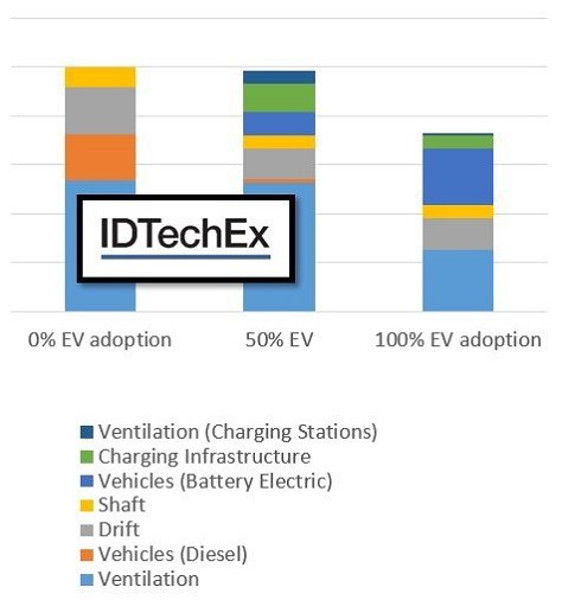 The recent pace of change in the mining industry is focusing attention on the ability to innovate. Historical strategies centered on maximizing production volumes during mining boom cycles led to the establishment of process inefficiencies. This forced numerous mining companies to adopt cost-cutting measures as the cycle progressed. As industry confidence recovers and mining companies resume spending after the post-2013 downturn, the question of what happens now arises. Furthermore, how will companies avoid a renewed focus on maximizing volume as perceived productivity?
The feasibility study for a mining project presented in the report "Electric Vehicles and Autonomous Vehicles in Mining 2018-2028" outlines reductions in capital costs and operating expenses due to a decrease in ventilation/cooling infrastructure requirements of up to 20% and 25%, respectively. As the mining industry continues to focus on increasing productivity, efficiency, and improving safety, feasibility figures like these can help support a project's cost-effectiveness.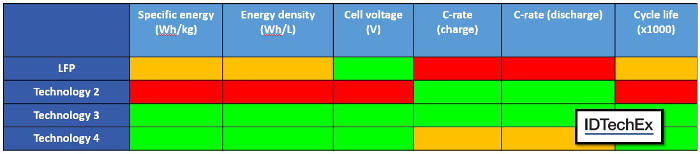
Equally important in the adoption of electric vehicles in mining are not only the vehicles themselves, but also the enabling technologies. Advancements in lithium-ion battery technology, in terms of electric range, energy, and power capacity, will lead to a reduction in the price of battery packs used in electric mining vehicles. This would subsequently lower the manufacturing cost of these vehicles, making the technology more viable. Currently, the market is in the testing phase for different charging solutions (i.e., slow charging and fast charging), and there is no clear indication yet of which technology will become the preferred option.
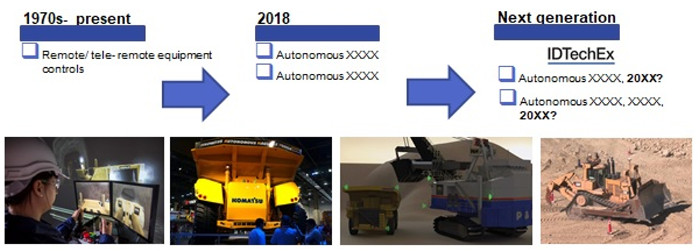 Investing in innovation through technology is key; it does indeed require upfront costs and time, but it is essential for establishing long-term productivity gains. The industry is embracing innovation, as demonstrated by the growth of other emerging technology segments, such as the further implementation of autonomous technologies across the industry. IDTechEx expects the Autonomous Vehicle (Truck) market to reach $5 billion by 2028, with major players like Komatsu, Caterpillar, and Hitachi continuing to develop and deploy their respective autonomous transportation technologies. This is particularly relevant given the improvements in safety and productivity, as well as the reduction in maintenance costs, that are driving the shift to autonomous technologies across the industry.
.