




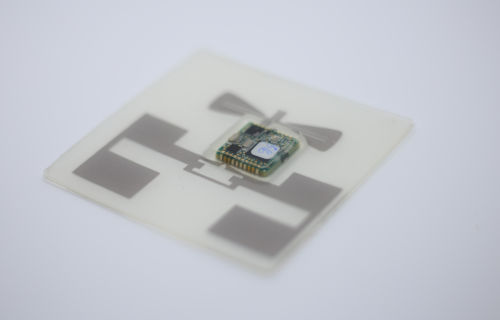
These innovations incorporate a range of new functional inks and advanced substrates. A high-speed manufacturing methodology, known as in-mould electronics, has also been established for their production, using optimized materials and improvements in conductivity and transparency.
The impact generated by the MADRAS project has contributed to “increasing the industrial competitiveness of European consumer electronics companies, providing them with a low-cost manufacturing process and an improvement in the lifespan and processability of materials,” explains Laura López, technical coordinator of MADRAS and researcher at the Functional Printing and Integrated Devices Unit of Eurecat.
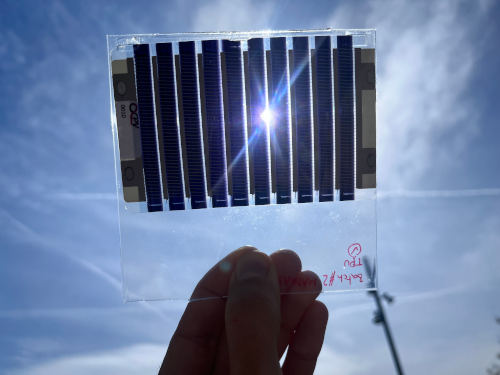 The implementation of these materials in the manufacture of electronic devices “offers viable alternatives to conventional inorganic conductors and semiconductors, such as copper or silicon, providing the resulting product with greater robustness, reduced costs and a reduced environmental impact,” adds Cristina Casellas, technology promoter of the Functional Printing and Integrated Devices Unit at Eurecat.
Specifically, the materials developed consist of a sustainable nanocellulose substrate and different types of advanced inks, such as transparent semiconducting inks based on organic components, transparent inks based on conductive silver nanowires, and semiconducting inks based on metal oxide nanoparticles.
In this regard, “the impact of innovations developed in sectors such as logistics and the Internet of Things stands out, as they allow us to respond to current challenges in locating goods and consumption habits, as well as reducing electronic waste by eliminating the need for batteries in smart objects,” says Cristina Casellas.
The MADRAS project is an initiative funded by the European Union's Horizon 2020 program and has a consortium made up of 12 partners from Spain such as Eurecat, Eticas Research and Consulting, Tecnopackaging, UNE and Cooltra; from France such as Genesink, Fedrigoni and Paragon ID; from Denmark such as infinityPV; from the Netherlands such as TNO and from the Czech Republic such as COC and the University of Pardubice.













