AIMPLAS, the Technological Institute of Plastics, is participating in this European project led by CIDETEC, which will develop sustainable printed electronics, accelerating and guiding the creation of a new functional electronics supply chain in Europe.
Although the electronic devices we own contain very small amounts of critical materials like metals, they are produced on a large scale, resulting in a considerable environmental impact from electronic waste, especially if the components are embedded in ways that make recycling difficult or very expensive. Devices that are not recycled or disposed of properly end up in landfills, where all kinds of toxic and carcinogenic substances (such as mercury, lead, or cadmium) leach into the soil.
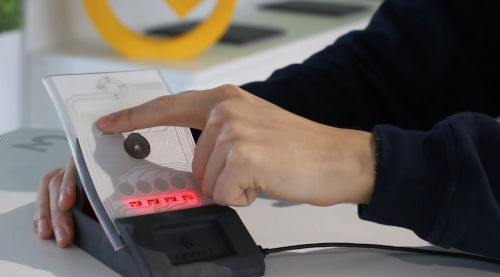
The REFORM Project will develop environmentally sustainable printed electronics solutions using organic conductive inks and biodegradable or recyclable materials. Specifically, the project will design three prototypes: a sustainable and intelligent label for the logistics sector, an integrated wireless sustainable sensor, and a microsupercapacitor.
REFORM will consider ecodesign principles for the creation of sustainable printed electronics that meet the demands of numerous industries and sectors, making electronic waste disposal a thing of the past. To this end, the project comprises leading academic institutions, non-profit research centers, industry experts, and innovative companies from eight European countries.
Effective Methods for Metal Separation and Recovery:
Within the project, AIMPLAS will contribute its expertise in materials recyclability and product development. Specifically, the center will develop a method for effectively separating printed electronics, as well as an innovative method using biotechnology for recovering the metals contained in these products. After separating and recovering the metals, AIMPLAS will use mechanical and chemical recycling tests to determine the best recycling method for printed electronics.
The REFORM project has a duration of 42 months and is funded by the European Union's Horizon Europe research and innovation program, agreement number 101070255.