Dr. May, a consulting engineer who was Technical Director at FIAMM and Chief Technology Officer at Invensys (now EnerSys) and Hawker Group, outlined the advantages of using lead-acid batteries, including their sustainability, performance, price competitiveness and reliability, at the annual energy storage event.
He told delegates at the EASE conference that new developments in lead-acid battery technology, including reduced sulfation, are improving performance.
In addition, Dr. May highlighted the advantages of rechargeable lead-acid battery storage, including its low cost, full recyclability, and proven reliability of the technology, along with a global service and support network.
Conversely, other technologies represented much higher costs, with poor sustainability credentials.
He said: "The demand for rechargeable energy storage will grow significantly and, as we seek more sustainable and reliable battery performance, advanced lead-acid batteries have proven to work in a range of relevant applications and there are a growing number of examples of high-performance lead-acid batteries in storage solutions.
"Advanced lead-acid batteries offer a long cycle life, and battery options include flooded and VRLA designs along with specialized designs for higher energy density."
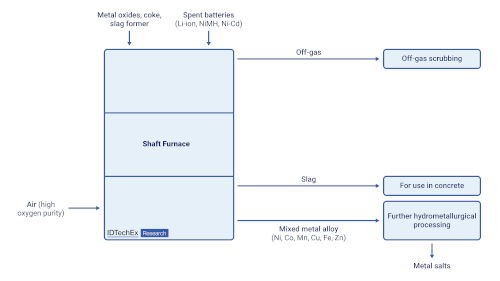
He added that lead is the most efficiently recycled base metal, with 99% of batteries in Europe collected and recycled at the end of their useful life, including casings and covers, making them a perfect example of the circular economy in action. The recycling industry operates without subsidies and in full compliance with environmental regulations.
In a new scientific article published by the Journal of Energy Storage, battery scientists reviewed the impact of adding supplemental carbon to the negative plate of lead-acid batteries to demonstrate how to optimize lead-acid battery performance for energy storage applications.