

As we progress as a society, we must focus on achieving sustainable growth to contribute to protecting the planet. And what better way to do this than on a small scale, from our homes, with everyday actions?
One solution to reduce waste generation and contribute to greater sustainability is the use of Nickel-Metal Hydride (NiMH) batteries, which can be recharged multiple times. This allows for savings in battery waste, materials and packaging, water and energy, and transportation, making them a great sustainable option.
Tips on how to optimize the life of secondary batteries:
Providing an exact lifespan for a rechargeable battery is complex, as battery life is affected by various factors. However, VARTA, a leading company in the manufacture and distribution of batteries, offers several tips to maximize their lifespan, thus taking full advantage of their benefits:
Maintaining an optimal temperature is essential for the proper use of a rechargeable battery. The ideal storage conditions are a temperature between +5°C and +25°C, with a relative humidity of 50%. Avoid storing the battery in very warm places, such as a car, or in direct sunlight, as this can cause battery deterioration and potentially even damage the vehicle. It is recommended to store it in a cool, dry place. A significant advantage of lower temperatures is that self-discharge is reduced, so recharging is needed less frequently.
Usage is a crucial factor to consider, as battery capacity decreases over time with repeated use. When the time between charges decreases significantly, it is time to replace the battery. 
Generally, it is recommended to charge the battery before use. However, a VARTA rechargeable battery does not require charging because it is ready to use and therefore pre-charged. Ideally, a battery should always be charged after use, when it is depleted, as battery energy is naturally consumed during use in the device. A battery can be charged even if it's not completely discharged, although, in principle, it's advisable to use full charge cycles.
A charger with a negative delta V cutoff has the feature of ending the charging process when the battery is fully charged. However, there are also chargers that only have a timer or even no cutoff mechanism at all. If a battery remains in the charger for a long time and the charger doesn't have a disconnection mechanism, overcharging can occur. Batteries usually get very hot. Of course, it's recommended to remove it directly from the device and stop charging.
A suitable charger is designed to completely stop charging as soon as it detects that the battery is fully charged. However, if a battery has been charged for a long time and remains significantly hot in the charger, it could be an indication of chronic overcharging.
When should you use a primary or a rechargeable battery?
There are two types of batteries: primary and secondary. Primary batteries are for single use only, while secondary batteries can be recharged, allowing for reuse.
Primary batteries are recommended for low- and medium-drain applications. They can offer up to 10 years of operation. In fact, devices that use standard non-rechargeable batteries can usually also be used with rechargeable batteries. Rechargeable batteries are reserved for high-drain applications. They use the NiMH chemical system and are available in various sizes and capacities. In short, if a device can handle relatively low voltages but consumes a lot of power, then using a rechargeable battery is very beneficial.
Rechargeable batteries are not limited to high-current applications, as primary batteries can also be used. In high-drain applications, it is advisable to prioritize the use of a rechargeable battery due to its cost-effectiveness. A primary battery, on the other hand, will deplete more quickly in these types of applications, highlighting the value of the "rechargeable" feature.
VARTA offers a wide variety of charger options. The premium LCD+ range offers sophisticated features, including single-slot charging and LCD displays. It also features multiple charging modes, optimized charging currents, and various safety options to guarantee the best results. The Eco Charger is the sustainable version, made with 50% bioplastic, combining top-notch charging characteristics with environmental responsibility. The Easy Chargers comprise four compact, user-friendly models that offer maximum convenience. VARTA also offers the Dual Tech battery charger, capable of charging lithium-ion cells.
For the most demanding devices, VARTA offers Recharge Accu Power, its most powerful product line. It includes all battery sizes and capacities. It is characterized by its pre-charged, "ready-to-use" technology, immediate use, and very low self-discharge. The system is compatible with all standard chargers and devices.
Recharge Accu Recycled is the most sustainable line, while VARTA Phone Accu batteries are robust against overcharging and deep discharge, and are particularly notable for their high cycle life and long lifespan. These batteries are suitable for all conventional NiMH chargers and standard applications on the market.
The importance of battery recycling:
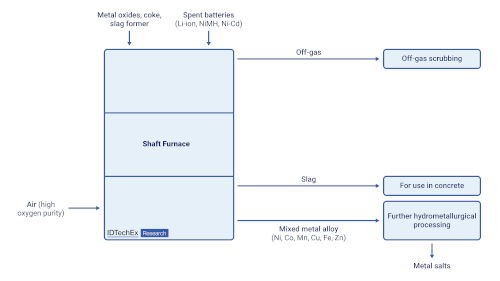
There are several ways to recycle devices today. The material from recycled batteries contributes to the circular economy. The recycled material, both positive and negative, is subsequently reused to create new rechargeable NiMH batteries. These are the main phases in the recycling cycle of household batteries:
Collection: This is carried out through the voluntary return of used batteries to collection points organized in stores, specific locations in municipalities, and industries.
Sorting: This involves separating the batteries according to their electrochemical systems in different processes, such as Zinc-Carbon, Alkaline Manganese, Lithium, or Nickel-Metal Hydride.
Use: This consists of recovering secondary raw materials through a recycling process.