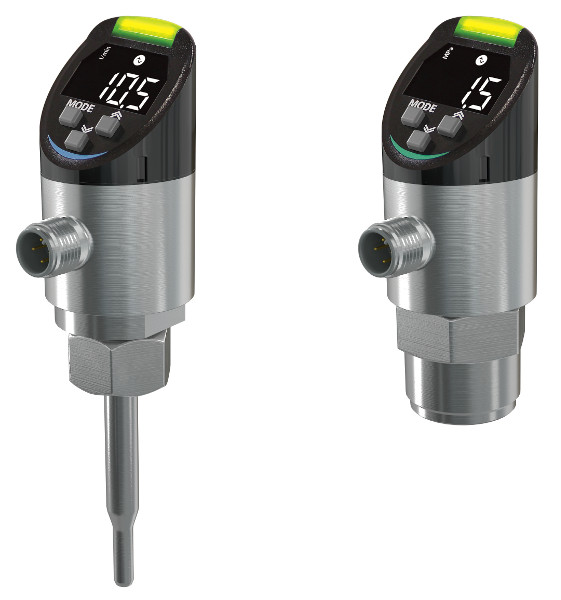

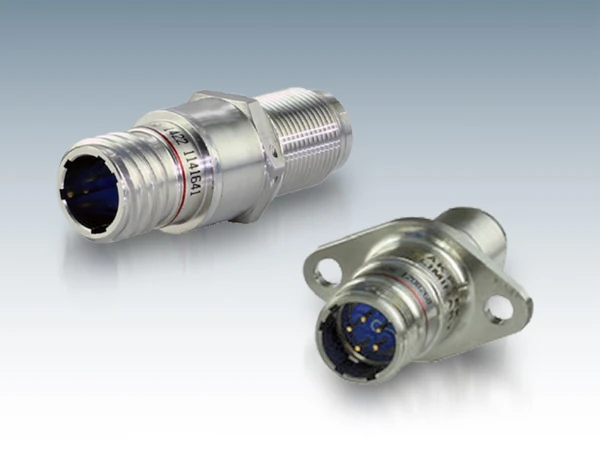
However, the products have some technical differences that allow their use in various aerospace applications. The GAPS series consists of configurable, contactless, and hermetically sealed devices designed to detect the presence or absence of a target. They can be used in less demanding application environments, with some differences in electrical and environmental characteristics compared to HAPS. HAPS aerospace proximity sensors are configurable, contactless, and hermetically sealed devices designed to detect the presence or absence of a target in aeronautical applications with extreme service conditions.
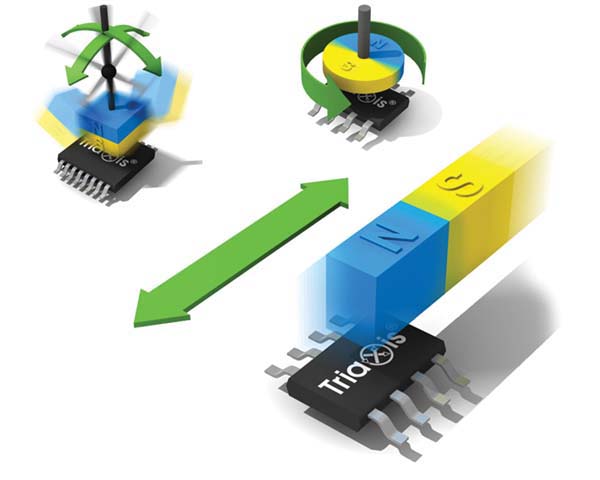
The GAPS and HAPS series proximity sensors provide on/off outputs and can be configured with an optional condition monitoring output for the central system. The detection mechanism is based on the well-established eddy current suppressed oscillator (ECKO) principles. However, Honeywell has also designed and implemented the patented FAVCO (fixed amplitude variable current oscillator) technology, which enables Honeywell sensors to provide condition monitoring (HMI) capabilities. Furthermore, both the GAPS and HAPS series help reduce downtime and maintenance costs thanks to a unique circuit capable of detecting any internal fault and generating a fault signal instead of a false positive or false negative. For the customer, this translates to better performance at a lower total cost of ownership over the aircraft's lifespan.
Technical details of the GAPS and HAPS series proximity sensors include a very wide operating temperature range, from -55 °C to +115 °C; vibration resistance up to 20 G (GAPS series) and up to 90 G (HAPS series); a supply voltage of 12 V DC to 32 V DC; and a target response time of
< 5 milliseconds.