Undoubtedly, AI and machine learning have had and will continue to have a major impact on peripheral and centralized electronic installations affecting the electronics sector, healthcare, homes, etc.
But intelligence comes at a cost. While AI has proven beneficial in improving energy efficiency in fields such as electric motors, many other applications are causing increased energy consumption, negatively impacting sustainability goals.
In this regard, what can be done to ensure that AI and ML in the periphery offer their advantages without compromising global sustainability goals?
The Two Sides of AI in Energy Consumption
In some areas, AI and AI have been praised for their ability to streamline processes and generate less waste. For example, AI algorithms implemented at the edge have helped improve smart building technologies, increasing energy efficiency by dynamically regulating heating, lighting, and air conditioning based on real-time occupancy data.
Similarly, autonomous vehicles will need to integrate AI and AI models to interpret and navigate congested roads, as they will incorporate real-time analysis of data from detection sources such as image sensors (Figure 1). However, AI and AI models consume energy, and automotive experts estimate that Level 4 autonomous electric vehicles will dedicate around 46% of their power to control electronics and AI models. 2

Figure 1: Autonomous vehicles must evaluate a wide range of variables to operate safely (source: adobe stock/scharfsinn86).
While the impact of edge AI on energy consumption can be beneficial, the impact of centralized AI is almost always detrimental. Large data centers that power generative AI and train edge AI models can increase operational efficiency in the real world, but their energy use is considerable (it is estimated that training Chat GPT-3 alone consumed 1287 MWh of electricity).
The challenge is clear: AI facilitates smarter management of energy and resources, but AI algorithms also consume energy, with demand increasing due to the sophistication of their implementation.
Developing Energy-Efficient AI Solutions.
Broadly speaking, reducing the impact of AI can be achieved through one of three approaches. The first is optimizing the hardware, which includes supporting components such as power supplies and AI accelerators (e.g., application-specific integrated circuits and graphics processing units). Increasing the efficiency of these core hardware components increases the effectiveness of AI computing, which encompasses operational processes or tasks such as training and inferring neural networks.
Alternatively, as our understanding of AI advances, engineers will also be able to find ways to reduce the significant amount of power used by complex AI models. Techniques such as model cleaning—which involves removing redundant parts of a neural network—and quantization—which reduces the precision of an AI model's parameters—can significantly decrease the energy demands of training and inference. This trend is especially important given that more and more companies are choosing to scale AI solutions for both industrial and consumer applications, making centralized training a fundamental part of product development.
Finally, the integration of renewable energy sources into the most energy-intensive AI applications is emerging as an attractive solution to reduce the demand for the necessary processing technology.
Finding the ideal components:
Selecting the right components is essential for engineers trying to bring solutions to the market that achieve the delicate balance between technological progress and energy efficiency.
To this end, Mouser Electronics offers a wide selection of solutions from the world's leading manufacturers, as well as resources designed to help engineers refine their knowledge and skills. These solutions address both edge and core AI and are intended to reduce energy consumption, optimize hardware efficiency, and enable the use of renewable energy sources.
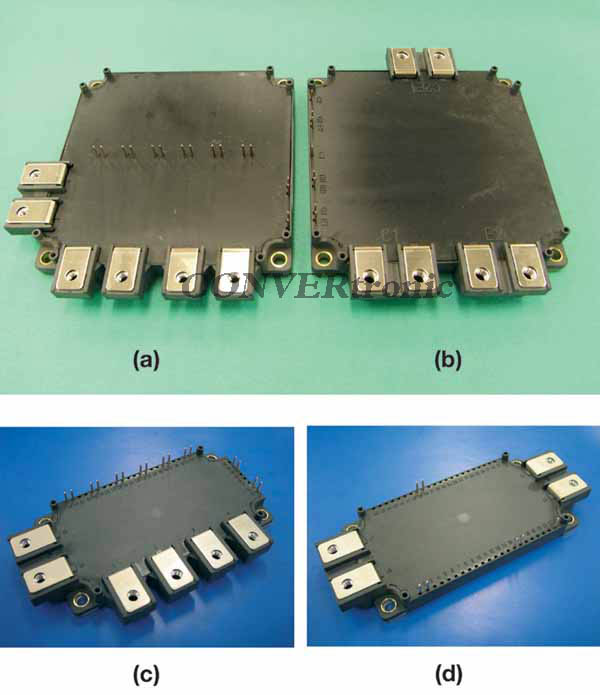
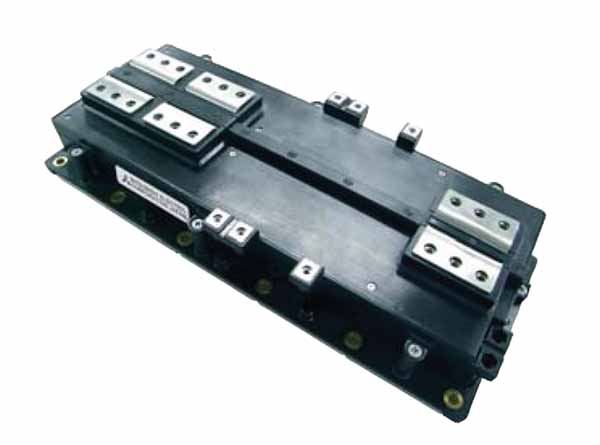
Mouser's offering includes power supplies that leverage the latest broadband semiconductor technology, enabling more efficient deployment of centralized AI. data center lineup includes active front-end rectifiers, DC-DC converters, and inverter-phase products supporting power ratings from 5 to 60 kW.
Several of these solutions are based on Infineon's state-of-the-art CoolSiC™ Hybrid and CoolSiC™ MOSFET technologies. Unlike traditional silicon MOSFET modules, packages made entirely or partially from silicon carbide can withstand higher temperatures and voltages while reducing power losses. Complementing its power components, Infineon offers XDP™ digital power controllers that provide precise digital control of power conversion.
The XDP range is ideal for the latest generation of energy-efficient 48V server architectures. By optimizing DC-DC conversion, XDP™ controllers achieve efficiencies of up to 97%, meeting the demands of AI workloads and driving energy recovery from waste. With their intuitive graphical user interface, which simplifies configuration and monitoring, and sophisticated digital control algorithms, XDP controllers ensure rapid development and efficient performance in smart power supplies for telecommunications infrastructure, server motherboards, Industry 4.0 applications, and other high-end 48V systems.
By switching to silicon carbide main power components and adopting advanced controllers and 48V architectures, engineers are helping to create AI servers that deliver high-performance computing while reducing energy consumption and operating costs.
Mouser's catalog also includes components designed to help engineers create low-power edge AI implementations. Smart power management integrated circuits (PMICs), such as NEH2000BYJ energy harvesting PMIC (Figure 2), are designed to extract power from photovoltaic cells, enabling distributed IoT nodes to be powered by solar energy.
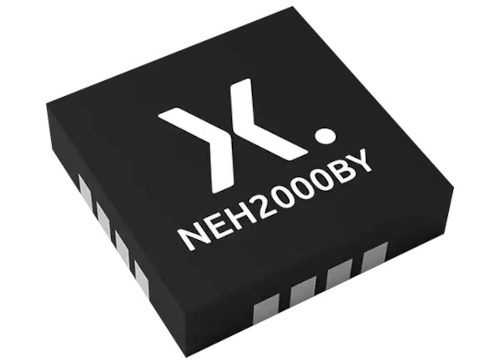
Figure 2: PMICs, such as the NEH2000BY, can allow peripheral devices to be powered by renewable sources (source: Mouser Electronics).
Solar-powered PMICs, such as the NEH2000BYJ, are just one element of a broader strategy to develop energy-efficient edge AI devices. Engineers must optimize AI models to reduce power consumption in order to extend battery life in deployments without fixed power sources, such as industrial sensing nodes or smart air quality monitors in cities.
Otii Arc Pro energy optimization tool is designed to capture the energy profile of small electronic devices such as IoT nodes, as well as individual components like microcontrollers and sensors, providing real-time analysis over extended periods. For node development, the tool's precise current measurements—along with the compatible Otii Pro Battery Toolbox and Otii Pro Automation Toolbox—can enable engineers to quantify the power consumption of AI-based operations to drive the creation of more energy-efficient models.
Conclusion:
The rise of AI offers exciting opportunities, but it also poses significant engineering challenges. The expansion of AI makes it essential to find a sustainable path for both edge and centralized deployments. However, thanks to innovations in hardware efficiency, advanced model optimization techniques, and the adoption of renewable energy sources, AI can progress without overburdening power grids. For engineers, it is crucial to find and integrate the right components, such as those offered by Mouser, to develop centralized and edge AI systems that strike a balance between performance and energy responsibility.
Mark Patrick, Director of Technical Content, EMEA, Mouser Electronics
Grades:
2. https://news.climate.columbia.edu/2023/06/09/ais-growing-carbon-footprint/